
our Blog
Are Gutter Guards Worth It for DFW Homeowners?
Are Gutter Guards Worth It for DFW Homeowners?
If you've ever spent an afternoon on a ladder scooping wet leaves and debris out of your gutters, you've probably asked yourself whether gutter guards are worth the investment. It's one of the most common questions homeowners across the DFW metroplex ask — and it's a fair one. Gutter guards represent an upfront cost, and there's no shortage of products and claims out there that make it hard to know what actually works.
The short answer for most North Texas homeowners is yes — gutter guards are worth it. But the longer answer depends on your specific property, the trees around your home, and the quality of the system you choose. This guide breaks it all down so you can make an informed decision.
What Gutter Guards Actually Do
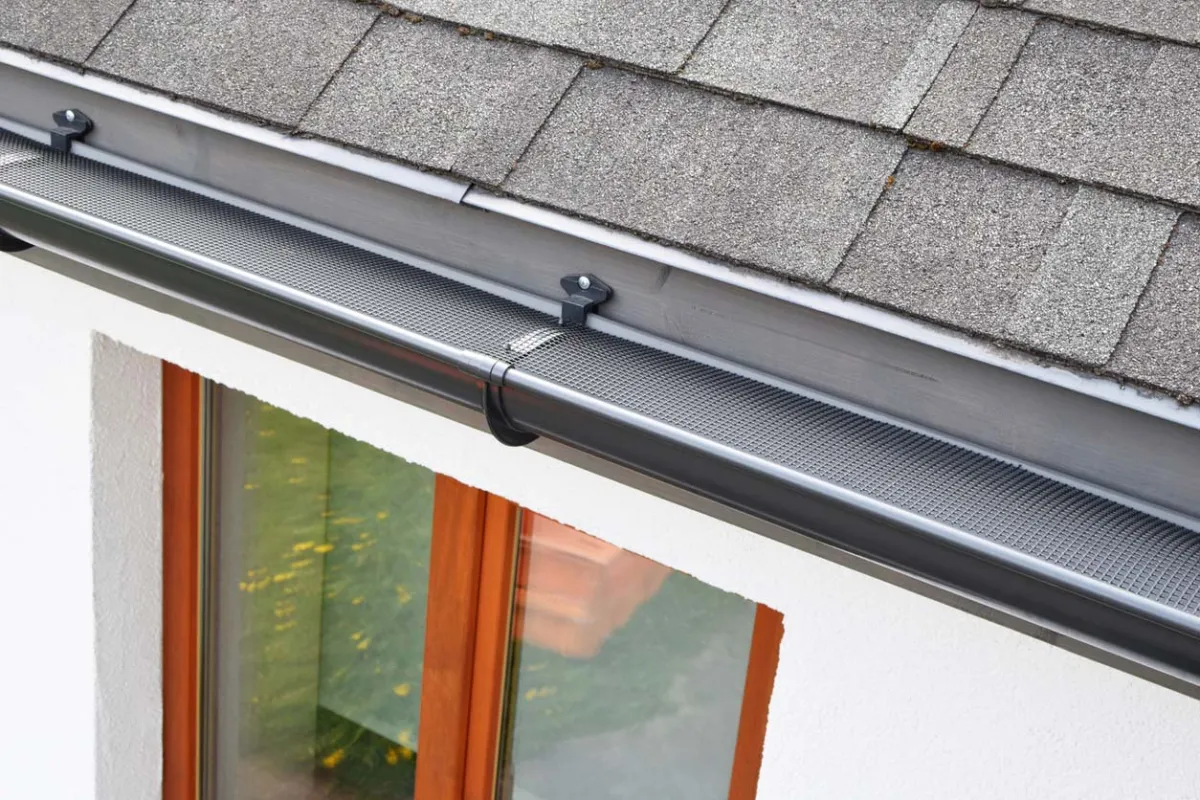
Gutter guards are protective covers or screens installed over your existing gutters. Their job is to allow rainwater to flow freely into the gutter channel while blocking leaves, twigs, seed pods, pine needles, and other debris from getting inside and causing clogs.
No gutter guard eliminates maintenance entirely — that's an important distinction. Even the best systems require occasional cleaning or inspection. What gutter guards do is dramatically reduce how often that maintenance is needed and how severe the debris buildup gets between cleanings.
For a DFW homeowner who would otherwise be cleaning gutters three or four times a year, a quality gutter guard system can reduce that to once a year or less. Over the life of a home, that adds up to significant savings in time, money, and the safety risks that come with repeated ladder work.
Why Gutter Guards Make Particular Sense in North Texas
Not every climate puts the same demand on gutters — and the DFW area has a specific combination of factors that makes gutter guards more valuable here than in many other parts of the country.
Year-Round Debris SheddersNorth Texas is home to some of the most aggressive debris-shedding trees you'll find anywhere. Live oaks are notorious for dropping leaves, small branches, and acorns almost continuously throughout the year — not just in fall. Pecans drop heavy nuts and leaf clusters. Cedar elms, sweetgums, and pine trees all contribute their own variety of debris. Homeowners with mature trees close to the roofline often deal with gutters that fill up faster than expected, especially following wind events and storms.
Heavy Spring Storm SeasonThe DFW area sees intense rainfall concentrated in spring and early summer. When gutters are partially blocked with debris, that high-volume rainfall has nowhere to go except over the edge — exactly where you don't want it. Gutter guards keep the channel clear so your system can handle peak storm flow without overflowing.
Foundation VulnerabilityNorth Texas clay soil is highly sensitive to moisture fluctuations. Gutters that overflow consistently keep the soil around your foundation saturated, which leads to the expansion and contraction cycles that cause foundation movement and cracking over time. Gutter guards help keep the system flowing and direct water where it belongs — well away from your home's base.
Fire Risk During Dry MonthsWhen North Texas enters its hot, dry summer stretch, gutters full of dried leaves and debris become a fire risk. A stray spark or ember can ignite a gutter full of dry organic material. Gutter guards significantly reduce that buildup and that risk.
Types of Gutter Guards: What Works and What Doesn't
Not all gutter guards are created equal. Understanding the differences between the most common types helps you choose a system that will actually perform in North Texas conditions.
Micro-Mesh GuardsMicro-mesh gutter guards are widely considered the most effective option available. They use a fine stainless steel or aluminum mesh with extremely small openings that allow water through while blocking almost everything else — including pine needles, roof grit, and small seed debris. For North Texas homes with heavy tree coverage, micro-mesh is the top-performing choice. These systems are professionally installed and sit flush with your roofline for a clean appearance. They require minimal maintenance and have long lifespans when made from quality materials.
Standard Mesh and Screen GuardsScreen and mesh guards are a step below micro-mesh in terms of filtration. They block larger debris effectively — leaves, twigs, and acorns — but may allow finer material like pine needles or seed pods to get through. For properties with moderate tree coverage that doesn't include heavy pine needle shedding, screen guards can provide solid protection at a lower price point than micro-mesh.
Reverse-Curve or Surface Tension GuardsThese guards use the principle of water adhesion — water clings to the curved surface and flows into the gutter while debris falls away. They work well in light to moderate debris situations but can struggle during the heavy, fast-moving rainfall common in North Texas storms. When water volume exceeds the system's capacity, water can overshoot the gutter entirely. They also tend to be more visible from the ground than mesh-style options.
Foam and Brush InsertsFoam and brush-style guards sit inside the gutter channel rather than covering the top. Foam inserts block debris while allowing water to seep through the foam material. In theory the concept is simple — in practice, these options tend to trap debris on top of the foam, retain moisture, and become breeding grounds for mold and plant growth in a relatively short time. In the heat and humidity cycles of North Texas summers, foam guards deteriorate faster than in milder climates. Most professional gutter installers, including Quinn Gutters, do not recommend foam or brush inserts as a long-term solution.
The Bottom Line on TypesFor most DFW homeowners, professionally installed micro-mesh or high-quality aluminum mesh guards deliver the best long-term performance and value. DIY guards from big-box stores are available and cheap upfront, but most lack the durability and fit quality of professionally installed systems — and poorly fitted guards can cause water to overshoot the gutter entirely, defeating the purpose.
The Real Benefits of Installing Gutter Guards
Here's what DFW homeowners consistently gain after having quality gutter guards installed:
Significantly less cleaning. This is the most obvious benefit. Homeowners who previously needed professional gutter cleaning two to four times a year often find that a once-yearly inspection and light maintenance is all they need after gutter guards are installed. That translates directly into savings on cleaning costs and time.
Reduced clog and overflow risk. A properly guarded gutter system is far less likely to experience the kind of full blockage that causes overflow during a storm. In North Texas where storms can drop several inches of rain in a short time, a free-flowing gutter system is essential.
Extended gutter lifespan. Debris buildup adds weight and traps moisture, both of which accelerate gutter deterioration over time. Keeping the channel clear reduces the physical stress on the gutter system and the hangers that hold it in place — which means your gutters last longer before needing repair or replacement.
Pest reduction. Clogged gutters filled with moist, decomposing leaves are ideal habitat for mosquitoes, wasps, rodents, and birds. In Fort Worth, where mosquitoes are a persistent problem after storms, removing their preferred breeding environment makes a real difference.
Foundation protection. By keeping your gutters flowing freely through every storm, gutter guards help ensure that water is consistently directed away from your foundation — reducing the moisture pressure on North Texas clay soil that leads to foundation movement over time.
Improved safety. Every time you or a professional climbs a ladder to clean gutters, there's a risk involved. Cutting that frequency significantly reduces the chance of a fall or injury — especially on two-story homes where ladder work is more hazardous.
What Gutter Guards Won't Do
Being honest about the limitations of gutter guards is just as important as understanding the benefits. Here's what even the best gutter guard systems can't promise:
They won't eliminate all maintenance. Fine debris, roof grit, and pollen will still accumulate on top of or around guards over time. Even with gutter guards installed, an annual inspection and light cleaning keeps the system performing at its best.
They can't fix existing drainage problems. Gutter guards work with your existing gutter system. If your gutters are undersized, pitched incorrectly, or in poor condition, guards won't solve those underlying issues. Any drainage or installation problems should be addressed before guards are added.
Performance varies by product quality. A cheap guard installed poorly is not the same as a quality system installed by an experienced professional. Product selection and installation technique matter significantly — especially for North Texas homes that deal with heavy debris loads and intense storm rainfall.
Tips for Getting the Most Out of Gutter Guards in DFW
If you're moving forward with gutter guards, these tips will help you get the best long-term results:
Have your gutters cleaned and inspected before installation. Gutter guards installed over dirty, damaged, or clogged gutters won't perform as designed. Start with a clean, properly functioning system.
Choose a material suited for Texas weather. Stainless steel and aluminum mesh hold up to UV exposure and temperature extremes far better than plastic options, which can warp or crack under the North Texas sun over time.
Make sure the system fits your gutter size. Quinn Gutters installs 5-inch and 6-inch seamless gutter systems. Any guard installed should be sized and trimmed specifically to fit — universal or ill-fitting guards leave gaps that debris exploits immediately.
Don't skip the annual check. Plan a once-yearly inspection after fall debris season ends. Check that mesh openings are clear, downspouts are flowing, and the guards are still properly seated. A few minutes of light maintenance protects years of investment.
Pair guards with a quality seamless gutter system. Gutter guards perform best on seamless gutters with fewer joints and connection points. If your existing gutters are old, sectional, or already showing signs of wear, combining a new seamless installation with gutter guards is the most comprehensive and cost-effective long-term approach.
Quinn Gutters Installs Gutter Guards Across the DFW Metroplex
At Quinn Gutters, we install gutter guard systems for homeowners throughout Fort Worth, Colleyville, Southlake, Grapevine, Keller, and surrounding North Texas communities. We assess your property, evaluate your debris load and tree coverage, and recommend the right system for your specific situation — not a one-size-fits-all product.
Whether you're adding guards to a newly installed seamless gutter system or upgrading your existing gutters, our team installs with the care and attention to detail that makes the difference between a system that performs and one that creates new problems.

Stop Cleaning Your Gutters Four Times a Year
If gutter maintenance has become a recurring burden — or if you've been dealing with clogs, overflows, or debris buildup year after year — gutter guards are likely one of the best investments you can make in your home's long-term protection and your own peace of mind.
Request your free quote from Quinn Gutters today and let's find the right gutter guard solution for your North Texas home.


