
our Blog
Gutter Cleaning Safety Tips for DFW Homeowners Who Do It Themselves
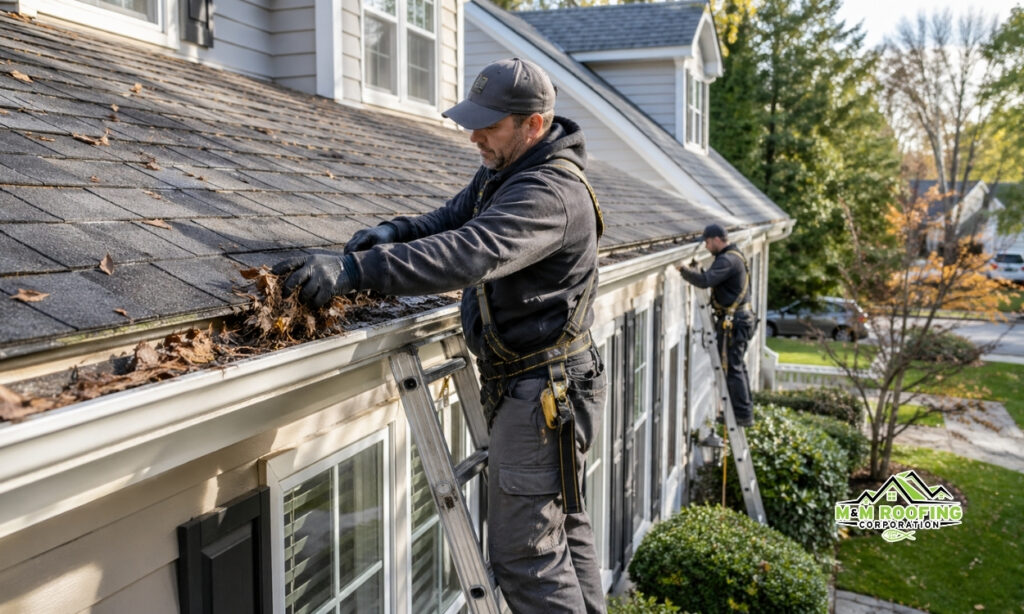
Gutter cleaning is one of the most common ladder-access tasks homeowners undertake — and it's also one of the leading causes of fall injuries in residential settings. In the DFW area, where single-story and two-story homes both require regular cleaning from heavy debris loads, understanding the safety risks and how to mitigate them is as important as knowing the cleaning technique itself.
This guide is for Fort Worth, Southlake, Keller, Colleyville, Grapevine, Trophy Club, Watauga, Hurst, Euless, Bedford, Haltom City, Benbrook, Azle, Mansfield, Burleson, and broader DFW homeowners who handle their own gutter cleaning — covering the specific risks, equipment requirements, and safe practices that make DIY gutter cleaning manageable, along with clear guidance on when professional service is the safer and smarter choice.
Understanding the Risk Before You Start
Falls from ladders are not a theoretical risk. They account for thousands of serious injuries annually among homeowners doing exactly what gutter cleaning requires — positioning a ladder against the home, climbing to gutter height, and working with tools while reaching into the channel. The risk isn't uniform: it's significantly higher on two-story homes, on homes with complex or steep rooflines, in wet conditions, and for homeowners who don't have experience with ladder work.
The DFW-specific context:In North Texas, the most common DIY gutter cleaning scenarios are spring (before storm season), fall (after leaf drop), and post-storm (after hail events). Spring post-rain conditions make for slippery surfaces. North Texas summer heat creates thermal stress risk during summer cleaning attempts. Post-storm assessment requires ladder work in potentially unfamiliar conditions after wind and weather events have altered the landscape.
Being honest with yourself about your comfort level, physical condition, and the specific conditions at your property is the most important safety step before starting.
When DIY Gutter Cleaning Is Appropriate
DIY gutter cleaning is reasonably appropriate when:
Your home is single-story with accessible eaves that a standard extension ladder can reach safely. You're comfortable on a ladder and have experience positioning and working from one. The ladder can be positioned on solid, level ground throughout the full perimeter. The conditions are dry — not wet from rain, not icy, and not during high winds. You have someone available to stabilize the base of the ladder from below.
If any of these conditions don't apply — two-story home, unfamiliar with ladders, wet conditions, alone at the property — professional service is the right call.
Equipment You Need for Safe DIY Gutter Cleaning
The ladder:An extension ladder is necessary for most gutter cleaning. The ladder should be rated for your weight plus the weight of your tools — ANSI Type I (250 lbs.) or Type IA (300 lbs.) for most residential applications. Size it so the top of the ladder extends at least three feet above the gutter line for stable positioning.
Never lean the ladder against the gutter channel itself — the gutter will flex and potentially fold, destabilizing the ladder. Use a ladder standoff (a V-shaped bracket that positions the ladder rails against the fascia or wall rather than the gutter) to avoid loading the gutter with the ladder's weight.
Personal protective equipment:Gloves protect your hands from sharp aluminum gutter edges, organic debris that may contain mold or insects, and potential wasp or bee encounters. Non-slip work boots with ankle support provide better stability on ladder rungs than sneakers or flat-soled shoes. Safety glasses protect from debris ejected during cleaning and flushing.
Cleaning tools:A gutter scoop or garden trowel for removing wet, compacted debris. A bucket with a hook attachment that can hang from the ladder or gutter (rather than requiring you to hold it). A garden hose with adjustable spray for flushing the channel and testing downspout flow after clearing.
For downspout clearing:A garden hose with a downspout flushing attachment (a pressurized tip designed to fit inside the downspout) for clearing soft blockages. A plumber's snake or flexible drain auger for compacted blockages that won't clear with flushing.
Safe Ladder Positioning
Placement angle:The ladder should be positioned at approximately a 75-degree angle to the wall — roughly one foot of base distance for every four feet of height. Too steep and the ladder risks tipping backward. Too shallow and it risks sliding outward at the base.
Ground conditions:The ladder base must be on solid, level ground. Never position a ladder on soft soil, mulch, or any surface that could shift under load. On uneven ground, use leveling feet or a ladder leveler attachment to establish stable positioning. Never stack materials under the ladder feet to compensate for grade.
Lateral stability:Position yourself directly between the rails throughout the cleaning process. Reaching to the side — laterally — is one of the primary causes of ladder destabilization. Move the ladder frequently rather than reaching far to either side. The rule is: if your belt buckle moves outside the rails, the ladder needs to be repositioned.
Having a spotter:A second person holding the base of the ladder throughout the cleaning process significantly reduces the risk of the base sliding. This isn't always possible for homeowners cleaning alone, but it's the safest approach whenever available.
The Cleaning Process: Step by Step
Start at the downspout:Begin each run at the downspout end to check inlet condition and confirm it's not blocked before cleaning debris toward it. Pushing debris toward a blocked downspout inlet packs material and compounds the blockage.
Work in small sections:Clean 4 to 6 feet of channel at a time before repositioning the ladder. Don't reach beyond comfortable range on either side. It takes more time to reposition frequently, but it eliminates the instability that reaching creates.
Double-bag debris:Use a bucket attached to the ladder for immediate debris collection, then transfer to a lawn bag at ground level. Loose debris dropped from gutter height can hit people below and creates messy cleanup.
Flush from far end to downspout:After clearing each section, use the hose to flush water from the far end of the run toward the downspout. Watch the water flow — it should move consistently toward the outlet without pooling. Pooling indicates a pitch problem worth noting.
Test every downspout:Insert the hose directly into the top of each downspout and run water through. Clear flow to the ground-level outlet confirms the downspout is unobstructed. Restricted flow requires mechanical clearing before the cleaning is complete.
North Texas-Specific Safety Considerations
Summer heat:DFW summer temperatures regularly exceed 100 degrees. Ladder work at roof height in direct summer sun creates heat exhaustion risk that's separate from the fall risk. If summer cleaning is necessary, work in early morning hours before full heat buildup. Stay hydrated. Take frequent breaks. Never push through fatigue or heat symptoms — descend and rest before continuing.
Post-storm conditions:After North Texas hailstorms, surfaces may be wet, debris may be scattered in unexpected locations, and gutters that were damaged by hail may not support ladder contact in the same way as intact gutters. Post-storm inspection is best done from the ground — or scheduled with a professional — rather than from ladder height in unfamiliar post-storm conditions.
Wasp and bee encounters:As described in earlier guides, clogged DFW gutters can harbor wasp nests, particularly in spring and summer. Before climbing to any section of gutter that hasn't been accessed recently, observe the area from the ground for flying insect activity. Disturbing an active nest at ladder height creates a dangerous situation that results in falls as homeowners react to stings. If wasp activity is evident, treat the nest before cleaning or schedule professional service.
When to Call Quinn Gutters Instead
For every DFW homeowner reading this guide, the honest answer to "when should I call a professional?" is:
When the home is two stories. When conditions are wet, icy, or windy. When wasp or bee nesting is present. When downspout clearing requires mechanical augering beyond hose flushing. When you want a system inspection alongside the cleaning — not just debris removal. When the time, effort, and safety risk of DIY cleaning feel like they exceed the value of the savings.
Quinn Gutters provides professional gutter cleaning throughout Fort Worth, Southlake, Keller, Colleyville, Grapevine, Trophy Club, Watauga, Hurst, Euless, Bedford, Haltom City, Benbrook, Azle, Mansfield, Burleson, and surrounding DFW communities. Every visit includes full channel clearing, downspout flushing, system inspection, and written condition reporting.

Clean Your Gutters Safely — Or Let Quinn Gutters Do It Right
Request your professional gutter cleaning quote from Quinn Gutters today and let our team handle the ladder work, the inspection, and the complete service your DFW gutter system needs.


