
our Blog
Gutter Installation for Aging Homes in DFW: A Guide for Homeowners With Older Systems
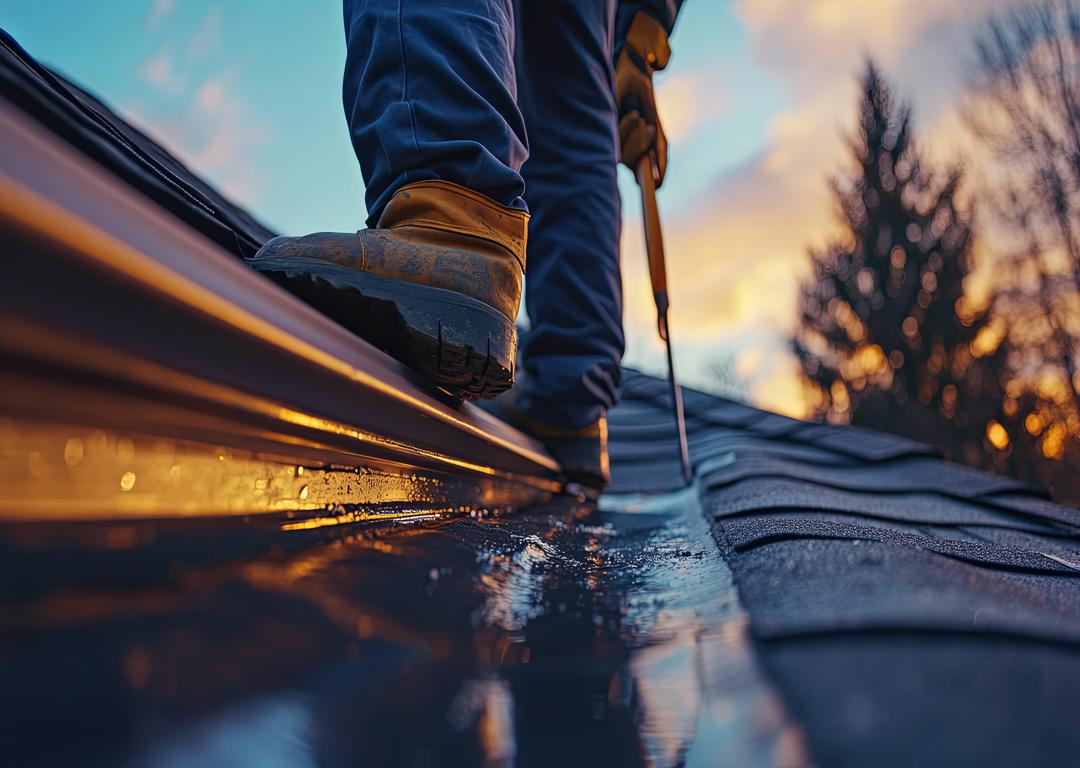
The DFW metroplex has a large and diverse existing housing stock — homes built in the 1950s, 60s, 70s, and 80s that have been owned and maintained by multiple families over the decades and now carry gutter systems that reflect those years of service and the accumulated wear of North Texas weather. For homeowners in Hurst, Euless, Bedford, Haltom City, Watauga, established Fort Worth neighborhoods, older sections of Colleyville and Keller, and similar communities throughout the region, an aging gutter system is one of the most common maintenance challenges they face.
This guide is written specifically for DFW homeowners with older homes — explaining how aging gutter systems fail in North Texas conditions, what to look for in a 15-to-30-year-old system, when repair is appropriate versus when replacement is the right investment, and what to expect from the transition to modern seamless gutters.
How North Texas Conditions Age Gutter Systems Faster
The general guidance on aluminum gutter lifespan — "20 to 30 years with proper maintenance" — comes from national averages that include much milder climates than North Texas. In the DFW area, several factors accelerate the aging process:
Thermal cycling intensity. The 80-plus degree annual temperature swing between summer highs above 100 degrees and winter lows that occasionally dip below freezing is among the most extreme in the continental US for a major metropolitan area. Every degree of temperature change causes aluminum to expand or contract — and the cumulative effect of that cycling over 15 to 20 years is more significant in DFW than in climates with more moderate temperature ranges.
UV exposure. North Texas's intense summer UV degrades paint finishes, sealants, and the plastics used in some gutter accessories faster than in cloudier, higher-latitude climates. Paint that fades or chalks exposes the underlying aluminum to direct UV, accelerating the oxidation that reduces material integrity over time.
Hail frequency. DFW's position in North Texas hail territory means most existing gutter systems have been struck by hail multiple times during their service lives — each event adding impact stress, denting that traps moisture, and vibration that accelerates sealant degradation at joint connections.
Debris load. The year-round debris production from DFW's diverse tree canopy — live oaks, pecans, cedar elms, sweetgums — adds weight stress and moisture retention to gutters that aren't cleaned frequently enough, accelerating corrosion and hanger failure faster than in regions with seasonal leaf drop only.
The practical implication: a 15-year-old DFW gutter system has experienced environmental stress equivalent to a 20-to-25-year-old system in a milder climate. For homeowners evaluating whether their aging system needs attention, the DFW-specific aging factors are worth weighing in the decision.
What to Expect From a 15-to-25-Year-Old DFW Gutter System
Based on the service patterns Quinn Gutters sees throughout the DFW area, here's what typically characterizes gutter systems in this age range:
Sectional systems at 15 to 20 years:Most 15-to-20-year-old sectional systems in DFW have experienced significant joint sealant degradation — with active leaks at multiple connection points throughout the system. Some joints will have been resealed at various points, creating a patchwork of old and new sealant with varying ages and adhesion quality. Hanger spacing that was marginally adequate at installation has often produced gradual sagging in longer runs. Paint condition ranges from acceptable to significantly faded or chalked depending on original quality and UV exposure.
The key question at this age: Is the number of failing joints isolated enough that targeted resealing makes sense, or is it widespread enough that continued repair spending is no longer economically rational compared to seamless replacement?
Sectional systems at 20 to 30 years:At this age range, widespread joint failure, significant paint degradation, and accumulated hanger wear are the norm rather than the exception for DFW sectional systems. The fascia behind these systems frequently shows evidence of long-term moisture exposure — paint failure, softening, or visible deterioration. In many cases, the fascia needs attention simultaneously with the gutter system, making this a combination project rather than just a gutter replacement.
The key question at this age: Is there a scenario where this system provides another 5-plus years of adequate performance, or has it reached the point where replacement is clearly the right call?
Assessing the Fascia on Older DFW Homes
One of the most important assessments on an older DFW home is the condition of the fascia behind the gutters — because the fascia condition determines whether new gutters can be installed directly or whether fascia repair must precede gutter installation.
Signs of fascia deterioration that indicate repair is needed before gutter installation:Soft or spongy wood when pressed at the area behind the existing gutters. Visible rotting, cracking, or biological growth on the fascia face where it contacts the gutter back. Previous fasteners that have pulled out, leaving oversized holes in the fascia. Areas where the gutter has separated from the fascia, revealing long-term moisture staining on the wood behind it.
Quinn Gutters assesses fascia condition during the pre-installation evaluation of every older home project and communicates any concerns clearly. Installing quality seamless gutters on deteriorated fascia produces poor results — the fascia work must come first.
Updating the Drainage System on an Older DFW Home
Many older DFW homes were built before current understanding of foundation protection on expansive clay soil guided drainage design. Standard drainage practices from the 1960s through 1980s often resulted in downspouts that discharge immediately at the foundation, flat grading that doesn't move water away from the structure, and no underground drainage infrastructure.
When Quinn Gutters replaces an aging gutter system on an older DFW home, it's an ideal opportunity to correct these legacy drainage issues simultaneously:
Extending downspouts underground to discharge 10 to 15 feet from the foundation. Adding underground drain lines that integrate with the new gutter system. Assessing whether French drain installation is warranted for properties with persistent yard drainage challenges.
Getting these corrections right at the time of gutter replacement is more cost-effective than a separate drainage project later — and it maximizes the foundation protection value of the new gutter system from day one.
Selecting the Right System for an Older DFW Home
For most established DFW homes, seamless aluminum is the right choice:Quality seamless aluminum in the right size, properly installed with hidden hangers, correctly pitched, and matched to the existing color scheme provides 20-plus years of reliable service. For older homes that have been dealing with the maintenance demands of aging sectional systems, the transition to seamless is typically a significant improvement in both performance and maintenance burden.
Color matching:Older homes often have specific trim color palettes that may not match standard color options exactly. Quinn Gutters works with homeowners to find the best available color match from the baked-enamel palette — and in cases where a close match isn't available, discusses options that work with the existing exterior rather than against it.
Profile selection:Some older DFW homes — particularly those built in colonial, craftsman, or period-influenced styles — may benefit from half-round gutters rather than K-style. For homes where the architectural style argues for a more traditional gutter profile, Quinn Gutters fabricates half-round systems in aluminum, copper, or galvalume.
Quinn Gutters and Established DFW Neighborhoods
Quinn Gutters works extensively with homeowners in established DFW neighborhoods — the communities built decades ago that now have aging housing stock requiring informed, careful assessment rather than generic solutions. We understand the specific aging patterns of North Texas gutter systems and approach every older home project with the honest evaluation and quality craftsmanship these properties deserve.
We serve homeowners throughout Fort Worth, Hurst, Euless, Watauga, Bedford, Haltom City, Colleyville, Keller, Grapevine, Southlake, Trophy Club, and surrounding DFW communities — across the full spectrum from new construction to homes that have been through 40 or more North Texas storm seasons.

Give Your Older DFW Home the Gutter System It Deserves
Request your free assessment from Quinn Gutters today and let our team evaluate your aging gutter system and recommend the right approach for your established North Texas home.


