
our Blog
Gutter Installation for Investment Properties in DFW: What Landlords Need to Know
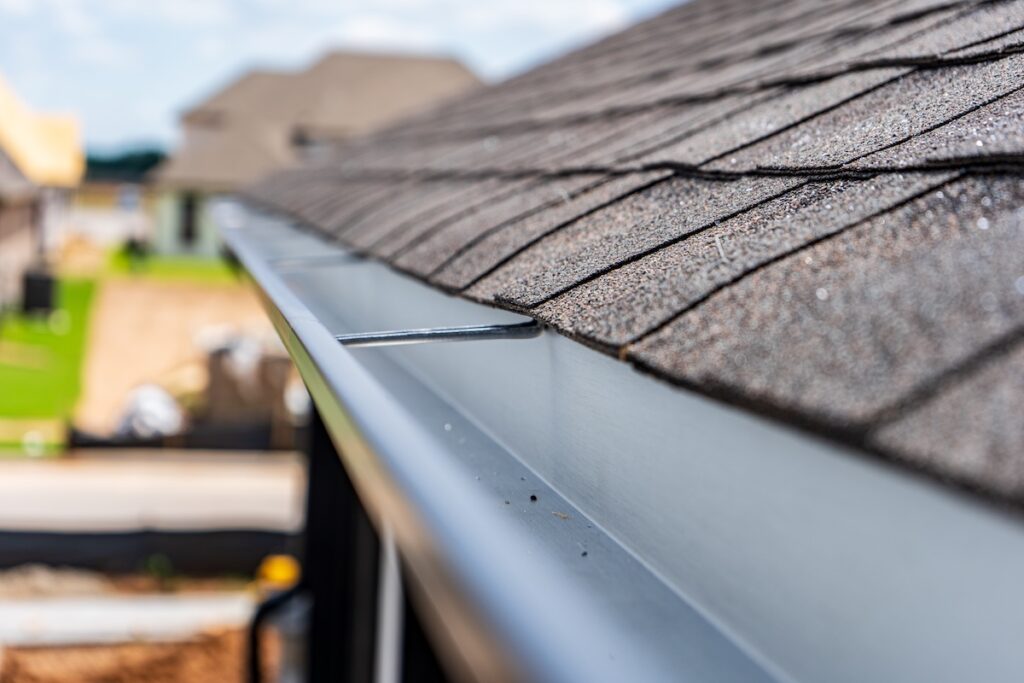
The DFW real estate investment market is one of the most active in the United States. Rental properties throughout Fort Worth, Keller, Colleyville, Grapevine, Southlake, Trophy Club, Watauga, Hurst, Euless, Bedford, Haltom City, Benbrook, Azle, Mansfield, Burleson, and every community across the metroplex attract investors seeking the long-term appreciation and rental income that North Texas's growing population supports.
For landlords and property managers, maintaining rental properties in condition that protects their value, minimizes emergency repair expenses, and keeps tenants satisfied requires attention to systems that are easy to overlook between tenancies and maintenance cycles. The gutter system is one of them — and in North Texas's clay soil environment, a failing gutter system on a rental property creates the same foundation risks and structural damage as on an owner-occupied home. The difference is that the landlord isn't living there to notice the signs.
This guide covers what DFW landlords and property managers need to know about gutter installation, maintenance, and drainage for investment properties throughout the metroplex.
Why Gutters Are a Critical Investment Protection Tool in DFW
Investment property owners in other markets might reasonably minimize gutter maintenance as a relatively low-priority maintenance item. In the DFW area, that approach is more costly than elsewhere because of the specific risks North Texas conditions create.
Foundation protection on clay soil:The expansive clay soil throughout the DFW metroplex creates a direct connection between gutter performance and foundation stability that doesn't exist in regions with sandier soils. A rental property with failing gutters that consistently overflow or discharge water too close to the foundation is actively contributing to the clay soil moisture cycling that causes foundation movement. Foundation repairs on DFW investment properties run $10,000 to $25,000 or more — an unexpected expense that significantly affects the economics of a rental property and can trigger insurance and structural disclosure requirements that affect the property's marketability.
Tenant satisfaction and retention:Tenants notice water damage. Dark staining on exterior walls, peeling paint on the fascia, standing water near the foundation, and musty odors from moisture infiltration are visible indicators of property condition that affect tenant satisfaction and renewal decisions. Properties whose owners proactively maintain gutter systems retain tenants better than those where drainage problems become ongoing complaints.
Property value preservation:Investment properties need to be saleable on the investor's timeline. Accumulated water damage from years of gutter neglect — fascia deterioration, foundation concerns, siding damage — creates inspection findings that reduce appraised value, complicate title insurance, and give buyers negotiating leverage. Maintaining gutters is asset preservation at its most direct.
Liability reduction:Standing water around an investment property from overflowing gutters or inadequate drainage creates slip hazards for tenants and visitors. In the context of a rental relationship, that liability exposure is real and avoidable through proper drainage maintenance.
The Most Common Gutter Issues Quinn Gutters Finds on DFW Investment Properties
Based on the rental and investment property work Quinn Gutters performs across the metroplex, these are the most consistent gutter issues found on DFW investment properties:
Deferred maintenance accumulation:Rental properties often receive less consistent gutter maintenance than owner-occupied homes — particularly between tenancies when the property is vacant and no one is observing conditions from day to day. Gutters that haven't been cleaned in two or three years accumulate debris loads that create significant overflow risk and add substantial weight stress to aging hardware.
End-of-lifecycle sectional systems:Many DFW investment properties acquired in the last decade were built in the 1980s or 1990s with sectional gutter systems that have reached or exceeded their useful lifespan. These systems — often still in place because they haven't visibly failed completely — are producing continuous foundation moisture problems and fascia damage that an owner-occupant would have replaced years earlier.
Inadequate downspout discharge:Builder-grade installations from earlier decades frequently feature downspouts that discharge within one to two feet of the foundation. For an owner-occupant, the first evidence of foundation moisture problems typically triggers a drainage correction. For rental properties, the problem can accumulate unaddressed for years before it appears in a foundation assessment or a property inspection.
Storm damage not reported by tenants:Tenants don't typically report gutter damage from hailstorms or high winds unless something is visibly catastrophic. Sections that partially separated, hardware that loosened, or joints that cracked under storm impact may go unaddressed through multiple subsequent tenancies until the accumulated damage becomes impossible to ignore.
Gutter Management Strategies for DFW Landlords
Scheduled annual inspection and cleaning:The most fundamental investment property gutter management approach is a scheduled annual inspection and cleaning — ideally in late spring after pollen season and before summer rental turnover season, when the property is most likely to be occupied and when preparing for storm season provides the most immediate protection value.
Quinn Gutters provides professional inspection and cleaning with written condition reports that give property managers documentation of system condition — useful both for maintenance planning and for establishing condition baselines between tenancies.
Gutter guard installation for reduced maintenance burden:For investment properties with heavy tree coverage that currently require multiple annual cleanings, gutter guard installation reduces that maintenance burden significantly. A once-annual inspection and maintenance visit is more sustainable for a rental property management operation than three or four scheduled cleaning visits per year — and guards pay back their installation cost within a few years for properties with high cleaning frequency.
Pre-tenancy gutter inspection as standard practice:Adding a gutter condition check to the pre-tenancy inspection checklist catches accumulated storm damage and debris from the previous tenancy before the incoming tenant begins occupancy. Downspout discharge location, channel condition, and hardware integrity are all items that take five minutes to check and provide meaningful protection for the property.
Seamless replacement on aging sectional systems:For investment properties with sectional gutter systems that are showing widespread joint failures, sagging, or fascia damage — or that are approaching the 20-year mark in North Texas conditions — seamless replacement is a capital improvement that protects the asset long-term. The cost is typically $1,500 to $3,000 for a standard DFW residential property, which is meaningful for a rental property budget but modest relative to the foundation repair costs it prevents.
What to Ask Quinn Gutters About Your DFW Investment Property
When Quinn Gutters assesses a DFW investment property, we evaluate:
Current gutter system condition and remaining service life. For properties with sectional systems showing widespread failures, we'll tell you honestly whether repair extends service life meaningfully or whether seamless replacement is the better capital decision.
Downspout discharge locations. Are all downspouts currently discharging at appropriate distances from the foundation? If not, what's the most cost-effective correction — splash blocks, surface extensions, or underground drainage?
Fascia condition. Investment properties that have had chronic gutter overflow for years frequently need fascia work as part of any gutter replacement project. We flag this during assessment so property owners can plan and budget appropriately.
Gutter guard suitability. For properties with heavy tree coverage that create multi-visit annual maintenance demands, we'll evaluate whether gutter guards make economic sense for the property's specific debris load and maintenance history.
Drainage situation for the full property. For investment properties with foundation concerns or yard drainage problems, we assess the full site drainage situation — not just the gutters — to identify whether additional drainage infrastructure is needed to protect the investment.
Quinn Gutters: Serving DFW Investment Property Owners and Managers
Quinn Gutters works with individual rental property owners, property management companies, and real estate investors throughout Fort Worth, Southlake, Keller, Colleyville, Grapevine, Trophy Club, Watauga, Hurst, Euless, Bedford, Haltom City, Benbrook, Azle, Mansfield, Burleson, and the broader DFW metroplex.
We understand the specific considerations that investment property maintenance requires — budget planning, condition documentation, multi-property scheduling, and the honest assessment of capital improvement versus ongoing repair decisions. Our written condition reports and transparent recommendations give property owners the information they need to make smart maintenance decisions for their portfolio.

Protect Your DFW Investment Property With Professional Gutter Management
Contact Quinn Gutters today to discuss gutter maintenance, inspection, installation, and drainage solutions for your North Texas investment properties.


