
our Blog
Gutter Myths DFW Homeowners Still Believe — Debunked
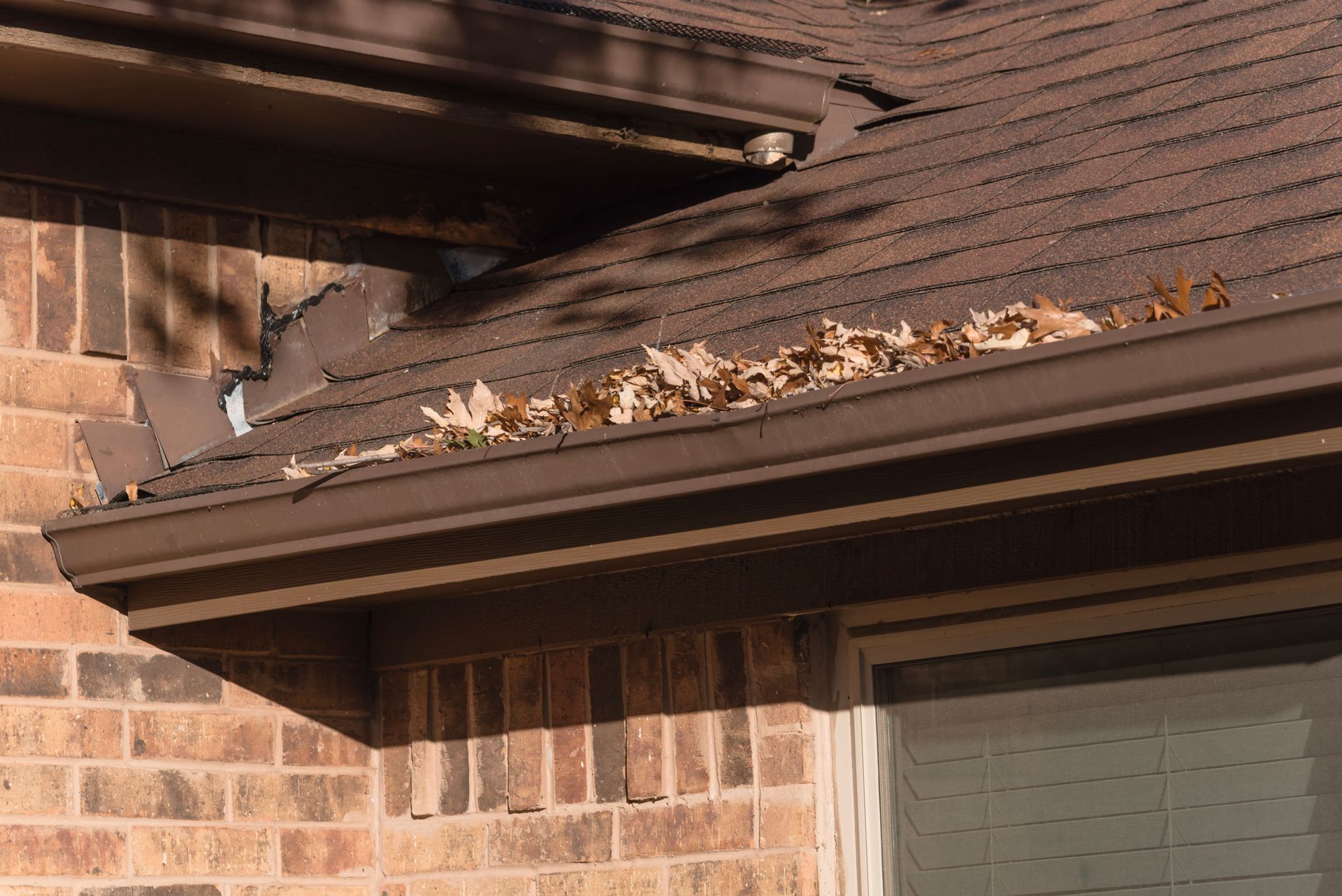
Misinformation about gutters is surprisingly widespread — perpetuated by well-meaning neighbors, internet forums, contractor marketing, and the general assumption that something as functional-looking as a gutter channel must be simpler than it is. For DFW homeowners making decisions about installation, maintenance, and upgrades, believing these myths leads to real-world consequences: undersized systems that overflow during spring storms, gutter guards that don't match the debris conditions, maintenance schedules that leave the system underperforming between visits.
This guide addresses the most common gutter myths Quinn Gutters encounters throughout Fort Worth, Southlake, Keller, Colleyville, Grapevine, Trophy Club, Flower Mound, Highland Village, Lewisville, Northlake, Argyle, Weatherford, Aledo, and the broader DFW area — replacing each myth with the accurate understanding that leads to better decisions.
Myth 1: "Gutters Are Optional in Texas Because It Doesn't Rain That Much"
Reality: Texas has specific rainfall patterns that make gutters more important, not less.
This myth persists because the mental image of Texas is a dry, arid landscape — and in some parts of the state, that's accurate. The DFW metroplex is not one of those parts. Fort Worth averages 35 to 40 inches of annual rainfall. More importantly, DFW's rainfall is concentrated in spring — delivering 15 or more inches of that annual total in intense events from March through June.
On North Texas's expansive clay soil, concentrated rainfall without gutters to manage it delivers thousands of gallons of roof water directly to the foundation zone during every spring storm event. Foundation experts consistently identify gutter management as one of the primary preventive measures for the foundation damage that costs DFW homeowners billions of dollars annually. Gutters aren't optional in Texas — they're essential to North Texas homeownership.
Myth 2: "Seamless Gutters Have No Seams"
Reality: Seamless gutters have seams at corners and downspout outlets — just not along the straight runs.
This is the most common misunderstanding about seamless gutters, and it creates unrealistic expectations. When a homeowner believes seamless means completely seam-free, they're surprised when the corners on their new installation require sealing, or when a corner connection begins showing signs of wear after several years.
Seamless gutters are fabricated in single continuous pieces along straight runs — eliminating the joints at every 10-foot interval that sectional systems require. The only connections in a seamless system are at corners where two runs meet and at downspout outlet locations. These connections are properly mitered and sealed during installation — and they may need periodic resealing as DFW's thermal cycling ages the sealant over the system's lifetime. This is normal maintenance, not an installation failure — and understanding it accurately sets the right expectations for seamless gutter care.
Myth 3: "Gutter Guards Eliminate All Gutter Maintenance"
Reality: Gutter guards significantly reduce maintenance — they don't eliminate it.
This myth is the primary source of homeowner disappointment with gutter guard installations. The marketing language around some products — "never clean your gutters again," "lifetime maintenance-free" — creates expectations that quality products can't fully support, particularly in DFW's demanding debris environment.
Quality micro-mesh gutter guards in DFW's conditions reduce cleaning frequency from 2 to 4 times per year to once-annual inspection and light maintenance for most properties. That's a meaningful reduction — but it's not elimination. Fine organic material — pollen, shingle grit, fine debris from live oaks and Bradford pears — accumulates on the mesh surface over time and benefits from annual cleaning. Annual inspection of the guards themselves confirms they're still properly seated and that no debris has accumulated to the point of flow restriction.
The accurate expectation for quality DFW gutter guards: significantly less maintenance with meaningfully less overflow risk, not zero maintenance with guaranteed no overflow. That accurate expectation leads to satisfied, appropriately maintained systems rather than neglected guards that underperform.
Myth 4: "Bigger Gutters Are Always Better"
Reality: Properly sized gutters are better — and the right size depends on the specific roofline.
Some DFW homeowners, after experiencing overflow from inadequate 5-inch gutters, conclude that 6-inch gutters everywhere would prevent all future overflow. While 6-inch gutters are appropriate for many DFW homes — particularly larger homes, steeper pitches, and complex rooflines — they're not universally superior. Oversized gutters on smaller or standard rooflines can create issues of their own: slower drainage velocity that allows debris to settle rather than flow to the downspout, standing water in sections of the channel during light rain, and aesthetic profiles that look disproportionate on smaller rooflines.
The right approach is sizing based on the actual drainage load of each specific roofline — which requires on-site assessment, not a default specification. Quinn Gutters assesses every roofline individually before recommending 5-inch or 6-inch, and the recommendation reflects what the home's actual drainage demands require.
Myth 5: "You Only Need to Clean Gutters in Fall"
Reality: In DFW, spring cleaning is just as important as fall cleaning — and often more so.
The fall cleaning myth comes from regions where deciduous trees produce a single concentrated leaf drop in October and November — making fall the dominant debris season. In DFW, the debris calendar is fundamentally different. Live oaks shed in late winter and early spring. Bradford pears bloom and shed blossoms in March. Pecan catkins fall in February and March. Spring pollen season runs from February through April. Cedar elms shed throughout the year.
The debris load heading into spring storm season — from all of these species — is often heavier than the debris load heading into winter after fall cleaning. And the consequences of heading into DFW's peak rainfall period with clogged gutters are more severe than heading into the mild winter rain season with the same conditions.
The appropriate maintenance schedule for most DFW homeowners is at minimum twice-annual — late spring AND late fall — with the spring cleaning timed specifically to prepare the system for spring storm season, not just to respond to what winter left.
Myth 6: "Sectional Gutters Are Just as Good as Seamless in Texas"
Reality: In DFW's thermal cycling climate, seamless gutters outperform sectional significantly.
This myth is most often promoted by cost-comparison arguments — sectional gutters are cheaper upfront, so why pay for seamless? The answer lies in how North Texas's climate affects the specific weakness of sectional systems: the joint sealant.
DFW's annual temperature range — from winter lows that occasionally dip below freezing to summer highs regularly exceeding 100 degrees — represents an 80-plus degree swing that causes aluminum to expand and contract repeatedly. Every expansion and contraction cycle stresses the sealant at every joint in a sectional system. In milder climates, this cycling is less severe and joint sealant lasts longer. In DFW, the thermal cycling accelerates sealant degradation — producing the widespread joint failures that Quinn Gutters sees in sectional systems within 10 to 15 years throughout the metroplex.
Seamless gutters eliminate the joint failure mode along straight runs entirely. The only sealant in a seamless system is at corners and outlets — not every 10 feet. The long-term performance difference is significant in North Texas's demanding thermal cycling environment.
Myth 7: "Gutter Guards Don't Work — My Neighbor Got Them and Their Gutters Still Clog"
Reality: Poor-quality or wrong-type gutter guards don't work — quality guards installed correctly do.
This myth comes from genuine homeowner experiences with disappointing guard performance — but those experiences almost always involve either poor-quality products (cheap clip-on guards from home improvement stores) or wrong guard types for the specific debris profile (standard mesh guards on a Bradford-pear-heavy property).
Quality micro-mesh guards professionally installed on a DFW property with the appropriate mesh opening for its debris type perform consistently and reduce maintenance dramatically. The performance difference between a $50 DIY clip-on guard and a professionally installed micro-mesh system is significant and completely explains the variation in homeowner experiences.
When evaluating gutter guards, the question isn't "do guards work" — it's "what guard, installed how, for what debris type?" Quinn Gutters' guard assessments start with those questions and recommend products that actually match the conditions at each property.
Quinn Gutters: Facts Over Myths for DFW Homeowners
Quinn Gutters serves DFW homeowners with honest information and professional service — not marketing myths that create expectations the real product can't meet. Our assessments, recommendations, and installations are grounded in what actually works for North Texas conditions: clay soil, spring storm intensity, diverse debris loads, and the thermal cycling that distinguishes DFW's gutter performance requirements from national averages.

Get Honest Gutter Advice for Your DFW Home
Request your free assessment from Quinn Gutters today and get accurate information about what your North Texas home's gutter system actually needs.


