
our Blog
Gutter Problems After a Hard North Texas Winter: What to Check in Spring
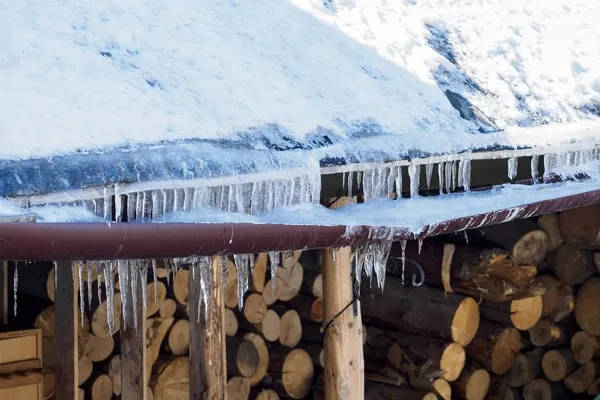
North Texas winters aren't the most severe in the country — but they're not gentle on gutter systems either. The DFW area experiences ice storms, significant temperature swings, periodic freeze-thaw cycling, and high winds that collectively produce the kinds of gutter damage that compound quickly when they go unnoticed heading into spring storm season.
The window between winter's end and the first major spring storm is the most important maintenance window of the year for DFW homeowners throughout Fort Worth, Southlake, Keller, Colleyville, Grapevine, Trophy Club, Watauga, Hurst, Euless, Bedford, Haltom City, Benbrook, Azle, Mansfield, Burleson, and the broader metroplex. What you find during a thorough post-winter inspection — and what you do about it before March and April — determines how your gutter system performs through the heaviest rain events of the year.
How North Texas Winters Damage Gutter Systems
Understanding what winter does to gutters helps you know specifically what to look for in spring:
Ice loading and weight stress:When water standing in gutters or entering them from roof ice melts and then refreezes during North Texas's periodic freeze events, it expands within the channel. This expansion puts lateral stress on gutter materials, pushes against corner connections, and adds weight that pulls on hanger brackets. A gutter that was holding on with marginally seated hangers before winter may complete its failure under ice loading.
DFW's ice events — while not as frequent as in northern climates — are intense when they do occur. The combination of ice weight and the subsequent rapid melt when temperatures return to normal creates the push-pull cycle on hardware that's most damaging to aging systems.
Freeze-thaw cycling on sealant:The temperature cycling DFW experiences through winter — dropping to near or below freezing during cold fronts and rising to 50-70 degrees between them — stresses the sealant at every joint and connection in the gutter system. Sealant polymers that are already aged from years of DFW's summer UV and heat exposure contract when cold and expand when warm. Over multiple cycles, this produces micro-cracking in sealant that wasn't failing before winter and accelerates failure in sealant that was already marginal.
The spring inspection specifically looking at corner connections and downspout outlets — the only seam locations in seamless systems — is most valuable after a winter with multiple freeze-thaw cycles.
High winds from cold fronts:DFW's winter cold fronts arrive with strong winds that stress gutter hardware beyond what normal seasonal wind loads produce. A hanger that needed attention before winter may complete its failure during a particularly strong cold front — leaving a section partially loose heading into spring storm season. Post-winter ground inspection for hardware below the roofline is a quick indicator of whether wind events produced any fastener failures.
Debris accumulation from winter wind events:North Texas winter winds collect and deposit significant organic debris — not from leaf fall, which largely concluded in fall, but from dead branches, bark fragments, and other material dislodged by wind events. This debris accumulates in gutters through winter and, combined with any residual fall debris, creates a significant blockage potential heading into spring pollen season and storm season.
Ice dam formation at gutter level:In severe North Texas ice events, ice can form in the gutter channel that backs up against the lower roof edge. As this ice thaws, the water it releases may have found paths behind the drip edge or under the lower shingles during the freeze period. Post-winter inspection should include looking for any new staining at the ceiling adjacent to exterior walls — interior evidence that ice-related water intrusion may have occurred.
The Post-Winter Inspection Checklist
Here's exactly what to check before spring storm season arrives:
Ground-level gutter inspection:
Walk the full perimeter and look at the gutter line. Any sections that appear lower than before winter indicate hanger failure or ice loading that shifted the pitch. Any visible hardware on the ground below the roofline should be mapped to its source location along the gutter run.
Look at the exterior walls below the gutter line for any new staining patterns that weren't there before winter. New staining indicates either a new joint failure that developed during freeze-thaw cycling or ice-related water infiltration at the roofline.
Check each downspout — specifically at elbows and connection points — for any visible cracking, separation, or displacement from the wall.
Ladder inspection (where safe):
Look at every corner connection for any visible gap in the sealant surface or any separation at the miter junction. Winter freeze-thaw cycling is most likely to have failed sealant at corners because the corner geometry creates stress concentration points during expansion and contraction.
Check hanger condition throughout each run — looking specifically for hangers that have partially pulled from the fascia or that are no longer seated against the back of the gutter channel. Hangers that were marginal before winter may have completed their failure under ice loading.
Look for any vertical cracks in the gutter material itself — particularly at points where the channel narrowed from ice pressure or where impact from falling ice created stress fractures.
Check fascia contact condition for any new moisture damage indicators — paint failure or soft spots that weren't there before winter.
The flush test:
Before spring storm season begins in earnest, run water through every gutter run to verify pitch and downspout flow. This test catches several post-winter issues simultaneously: section pitch that shifted during winter, corner leaks from failed sealant, and downspout blockages from debris accumulation.
A run that doesn't drain after a flush test has either a pitch problem or a downspout blockage. A corner that drips during the flush test has failed sealant. Both are addressable before the first major spring storm if caught now.
Debris clearing:
Even gutters that were cleaned in late fall have accumulated some winter debris — wind-blown material, bark fragments, dried organic matter. Clear the channel completely before storm season and flush every downspout from the top to confirm free flow all the way to the outlet.
Common Post-Winter Repair Needs in DFW
Based on the patterns Quinn Gutters sees across the DFW area following North Texas winter seasons, here are the most common repair needs that post-winter inspection reveals:
Corner sealant resealing: The most common post-winter repair in DFW is failed or cracked sealant at corner connections. Freeze-thaw cycling is the primary driver, and the repair — cleaning the joint area, drying it completely, and applying fresh quality sealant — is straightforward when addressed before spring storms begin.
Hanger resecuring: Hangers that partially pulled during ice loading need to be resecured with new screws into solid fascia before the gutter carries a full water load during spring storms. Hardware that's 50-75 percent pulled will complete its failure under the first significant rain load.
Pitch correction: Ice that sat in a section and then melted can shift a section's alignment. The symptom — standing water after the flush test — is easily found and the correction requires repositioning the hangers in the affected section to restore the quarter-inch-per-10-feet slope.
Downspout clearing: Winter debris accumulation in downspout channels is common and easy to miss during winter months when rain is infrequent. A thorough spring flush reveals blockages that don't affect the gutters during dry periods but would cause significant backpressure during the first major spring storm.
When Post-Winter Damage Indicates Replacement Is Needed
If the post-winter inspection reveals damage that's widespread rather than isolated — multiple corner failures, hardware pulling loose throughout several sections, material cracking in multiple locations — the winter season may have been the tipping point for a system that was already aging.
For DFW homeowners with sectional systems that are 15 years or older, a severe North Texas winter sometimes completes the transition from "needs repair periodically" to "needs replacement." The post-winter inspection is the honest assessment point that tells you which category your system falls into.
Quinn Gutters provides post-winter assessments for homeowners throughout the DFW area — giving honest evaluations of whether targeted repair addresses what winter produced or whether the system's overall condition argues for seamless replacement heading into the next storm season.

Get Your DFW Gutters Ready for Spring Storm Season
Request your free post-winter gutter assessment from Quinn Gutters today and head into North Texas spring storm season with a system that's been professionally inspected and serviced.


