our Blog
Gutters and Landscaping: How Proper Drainage Protects Your DFW Yard
Most DFW homeowners think about gutters in terms of foundation protection — and that's the right priority. But there's another significant consequence of gutter failure that affects homes throughout Fort Worth, Southlake, Keller, Colleyville, Grapevine, Trophy Club, and the broader DFW area: the damage that uncontrolled roof water does to landscaping, gardens, and yards.
North Texas homeowners invest significantly in landscaping — mature trees, established gardens, well-maintained lawn areas, stone paths and garden beds that define the character of a property. When gutters fail, all of that landscaping investment is at risk from erosion, root oversaturation, plant damage, and the kind of surface damage that requires professional restoration to repair.
This guide covers how gutters and drainage interact with landscaping on North Texas properties — and what proper gutter installation and drainage design can do to protect the landscape investment you've made in your DFW home.
How Gutter Failure Damages DFW Landscaping
Erosion at the Drip LineThe most immediate and visible landscaping damage from gutter overflow is erosion directly below the roofline. When gutters overflow during heavy rain events, water falls from the roof edge to the ground below in high-volume concentrated streams. In North Texas, where spring storms can deliver several inches of rain in a few hours, those concentrated streams hit landscaping beds, mulched areas, and exposed soil with enough force to carve channels, displace mulch, and damage plant root systems.
Flower beds along the home's perimeter are particularly vulnerable. Erosion from repeated gutter overflow can wash away years of soil amendment, expose plant roots, displace mulch repeatedly, and create the kind of compacted, channeled soil that resists replanting.
Oversaturation and Root DamagePlants and lawn areas have water tolerance limits. Most ornamental plants and turf species in DFW perform well through normal rainfall patterns — but sustained oversaturation from gutter overflow or downspout discharge onto the same location repeatedly can waterlog root zones, promote root rot, and eventually kill established plants.
The species that are particularly sensitive to root zone oversaturation include many of the ornamental plants common in DFW landscaping — established ornamental grasses, Japanese hollies, Asian jasmine groundcover, and other plants that prefer well-drained conditions rather than the consistently wet soil that chronic overflow creates.
Mulch DisplacementMulched landscape beds — standard across established DFW properties — are highly vulnerable to water displacement from gutter overflow. A single significant storm with gutter overflow can wash years of mulch accumulation out of a bed and deposit it in piles downhill or along the driveway. The cycle of mulch washing away and needing replacement is one of the most common consequences of chronic gutter overflow that DFW homeowners deal with.
Hardscape DamageStone paths, pavers, decorative gravel, and other hardscape elements adjacent to the home's foundation and perimeter are affected by chronic drainage problems. Water runoff from gutter overflow carries fine soil particles that deposit as sediment on hardscape surfaces, undermines the stable base that pavers and stone rely on, and creates the settlement that causes paths and patios to become uneven over time.
Mosquito Habitat CreationStanding water in clogged gutters and water pooling in landscaped areas from overflow creates ideal mosquito breeding habitat. In Fort Worth and surrounding DFW communities, where West Nile virus activity has been an ongoing concern, eliminating standing water sources — including those created by gutter overflow — is a legitimate public health consideration, not just an aesthetic one.
How Proper Gutter Installation Protects DFW Landscaping
Keeping Water Out of the Drip LineThe most direct landscaping benefit of a properly functioning gutter system is keeping roof water out of the landscape beds and lawn areas directly adjacent to the home. When every section of gutter is clear, properly pitched, and flowing to adequately placed downspouts, the water that falls on the roof during a rain event doesn't reach the ground at the roofline — it travels through the system to controlled discharge points.
For DFW homeowners who have invested in perimeter landscape beds, this alone is reason enough to keep gutters clean and functioning properly before every storm season.
Downspout Placement and Discharge DirectionWhere downspouts discharge on a property has direct consequences for the specific landscape areas that receive concentrated water delivery. Standard downspout elbows that discharge one or two feet from the foundation and directly into a landscape bed are delivering the entire roof's runoff volume for that section to a specific planting area during every rain event.
Underground downspout extensions that carry water 10 or more feet from the foundation before discharging change the picture entirely — removing the concentrated delivery from the landscape bed and distributing it to a location where the volume can be managed without plant damage.
Gutter Guards Reducing Overflow FrequencyGutter guards that keep the channel clear between cleanings directly reduce overflow frequency — which is the primary mechanism causing landscaping damage. For DFW properties with significant landscape investment adjacent to the home's perimeter, gutter guards are a landscaping protection investment as much as a gutter maintenance investment.
Drainage Solutions That Protect DFW Landscaping
For properties where the combination of roof runoff and natural yard drainage creates persistent water management challenges in the landscape, Quinn Gutters installs drainage solutions that address the problems gutters alone can't solve:
Underground drain lines from downspouts. Carrying downspout water underground to a distant discharge point removes concentrated water delivery from landscape beds entirely. Pop-up emitters at the discharge point open during rain events and close between them, keeping the discharge zone dry between storms.
French drains in soggy landscape areas. For DFW landscape areas that consistently stay wet after rain due to subsurface groundwater movement — common in low points and north-facing areas with heavy clay coverage — French drain installation provides the subsurface drainage that allows those areas to dry out and support healthy plant growth rather than staying perpetually saturated.
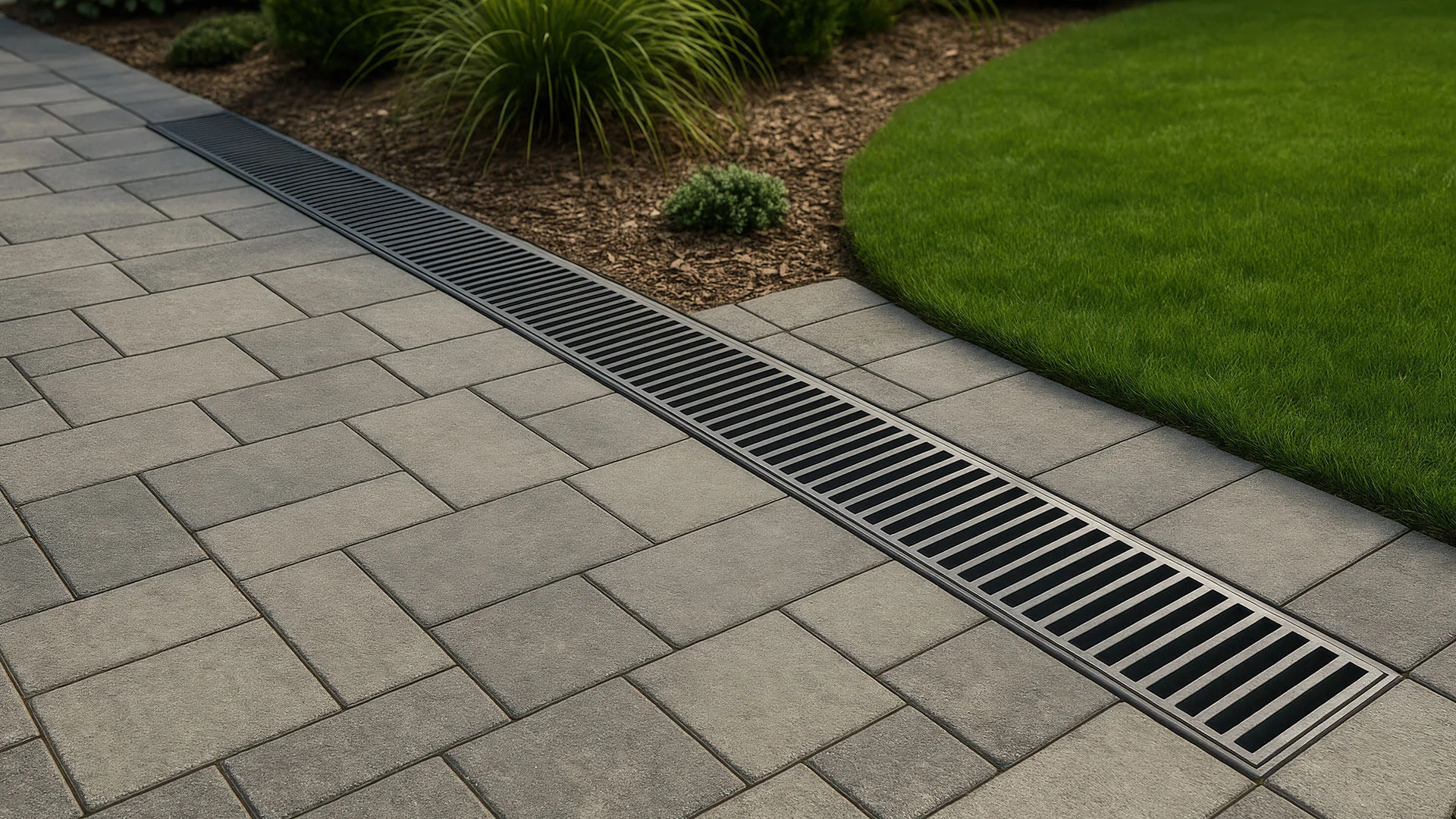
Catch basins in landscape low points. Low points in the landscape that consistently collect surface water during storms can be fitted with catch basins that capture and route the water underground before it sits long enough to damage plants or create mosquito habitat.
Dry creek beds. For DFW properties where the landscape design can accommodate it, dry creek beds provide a visually attractive drainage solution that guides water across the yard during heavy rain events through a naturalistic stone channel. Dry creek beds are both functional — solving a drainage problem — and aesthetic, adding a designed landscape element that enhances the property's appearance.
Working With Quinn Gutters on Landscaping-Conscious Drainage
Quinn Gutters approaches every drainage project with awareness of the landscaping context — specifying discharge points that don't deliver water to sensitive plant areas, routing underground lines in paths that minimize disruption to established root systems, and designing drainage solutions that work with the property's landscaping rather than against it.
We serve homeowners throughout Fort Worth, Southlake, Keller, Colleyville, Grapevine, Trophy Club, Roanoke, North Richland Hills, Haslet, Saginaw, and surrounding North Texas communities who want gutter and drainage systems that protect both their home and the landscape investment that makes their property distinctive.

Protect Your DFW Landscaping With Proper Gutter and Drainage Management
Request your free quote from Quinn Gutters today and let our team design a gutter and drainage system that protects your North Texas home and the landscaping investment that surrounds it.


