
our Blog
How Gutters Protect Your Siding: What DFW Homeowners Need to Know
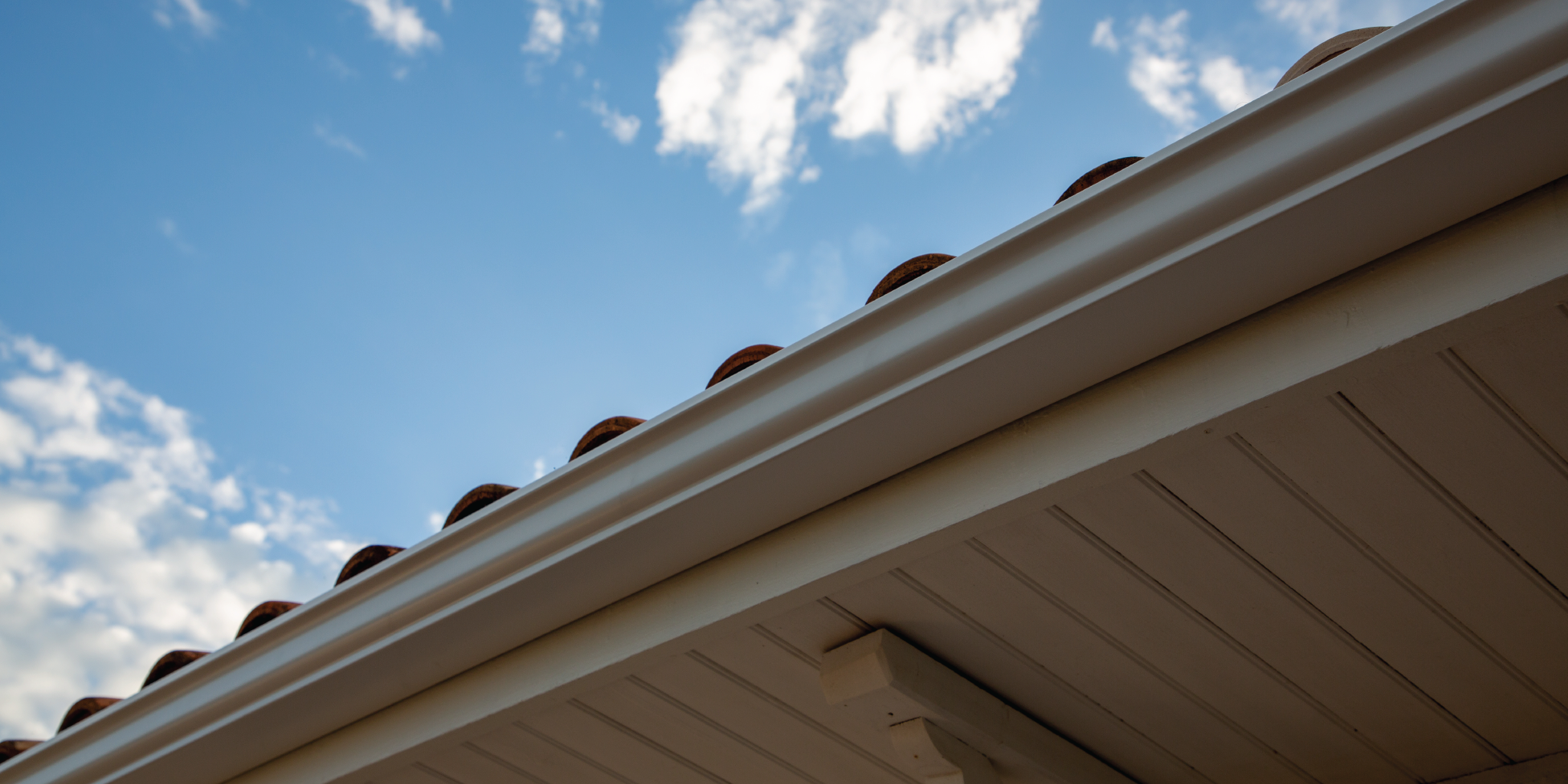
When homeowners in the DFW area think about what gutters protect, the foundation is usually the first thing that comes to mind — and for good reason, given North Texas's clay soil and the expensive foundation repair industry that exists throughout the metroplex. But gutters protect another major home investment that's closer and more visible than the foundation: your siding and exterior walls.
The relationship between gutter performance and siding condition is direct and ongoing. A gutter system that overflows consistently, leaks at joints, or isn't draining completely sends water down the exterior wall surface with every rain event — and that repeated water contact produces damage to every common siding material over time. For homeowners throughout Fort Worth, Southlake, Keller, Colleyville, Grapevine, Trophy Club, Watauga, Hurst, Euless, Bedford, Haltom City, Benbrook, Azle, Mansfield, Burleson, and the broader DFW metroplex, understanding how gutters protect siding — and what to look for when they're not doing the job — is valuable knowledge.
How Gutter Failure Reaches Your Siding
The path from gutter failure to siding damage follows predictable patterns that are worth understanding:
Gutter overflow reaching the wall surface:When gutters overflow during rain events — whether from clogging, undersizing, improper pitch, or joint failure — water cascades over the front or rear edge of the gutter and runs down the exterior wall. In most cases this flow happens behind the gutter at the fascia, and also in front where it's visible as a curtain of water over the gutter face. Both paths contact the exterior wall below the gutterline repeatedly, with every overflow event.
Joint leaks at the rear of the channel:In sectional gutter systems, joint failures that allow water to escape at the rear of the channel — behind the gutter rather than over the front — are particularly damaging to fascia and siding because the water contacts the wall surface continuously and invisibly during rain events. The homeowner sees no visible overflow from the ground but the water is nonetheless running down the wall behind the gutter on every rain.
Overflow concentrated at corners:Corner connections are the locations where two gutter runs meet — and improperly sealed corners that leak direct water at the corner of the home where two exterior walls meet. Corner staining is a common indicator of this failure mode in established DFW neighborhoods.
Splash-back from ground-level overflow:Water that overflows from gutters and hits the ground directly adjacent to the exterior wall creates splash-back that reaches the lower courses of siding — delivering additional repeated water contact to the bottom portion of the exterior cladding.
How Different Siding Types Respond to Gutter Overflow in DFW
Painted wood siding:The most vulnerable siding type to repeated water contact. Wood absorbs moisture when wet and dries between rain events — a cycle that causes paint to lose adhesion from beneath, producing the characteristic bubbling and peeling that's visible on homes throughout DFW's older neighborhoods. As paint fails, the underlying wood is exposed to direct moisture contact, accelerating the swelling, splitting, and eventual rot that requires section replacement rather than just repainting.
The DFW summer UV and heat cycle that follows spring storms compounds the problem — surfaces that have been saturated by spring overflow are then subjected to intense solar heat that drives moisture deep into the wood and damages the remaining paint finish rapidly.
Fiber cement siding:Fiber cement (Hardie board and similar products) is significantly more resistant to moisture than wood but is not immune to the effects of chronic gutter overflow. Repeated water contact causes the painted finish to deteriorate faster than normal, can allow moisture penetration at cut edges and joints where the factory finish has been compromised, and can promote the biological growth (algae, mildew) that stains the surface and reduces the material's service life.
Fiber cement siding in DFW that receives chronic gutter overflow shows staining patterns and finish degradation within two to five years of installation — substantially shorter than its expected 15-to-25-year service life when properly protected.
Brick and masonry:Brick is often perceived as impervious to water damage — but gutter overflow produces distinctive problems even on brick exteriors. Efflorescence — the white chalky mineral deposit that forms when moisture moves through masonry and evaporates at the surface — is one of the most visible signs that gutter overflow has been consistently contacting brick surfaces. Efflorescence treatment is straightforward when caught early but becomes more difficult and less complete as mineral deposits accumulate over multiple seasons.
More significantly, repeated saturation of mortar joints from chronic overflow accelerates mortar deterioration. Mortar that has been repeatedly wetted and dried in DFW's extreme temperature cycles develops cracks and voids faster than mortar on protected surfaces — eventually requiring repointing that is more expensive and disruptive than maintaining the gutter system that was supposed to prevent the problem.
Stucco:Stucco is highly vulnerable to water intrusion at any penetration point or crack. Gutter overflow that runs down stucco surfaces finds any existing hairline cracks and forces moisture behind the stucco layer — where it can penetrate the underlying sheathing and eventually cause delamination, mold growth, and structural damage. Stucco repair from water infiltration is among the most expensive exterior repair scenarios for DFW homeowners.
Vinyl siding:Vinyl is more water-resistant than wood but still vulnerable to the visual damage from gutter overflow. Algae and mildew staining from consistent moisture contact is the most common complaint on vinyl homes with chronic gutter problems. More significantly, vinyl siding's installation relies on proper overlap and flashing that can be compromised when water is consistently running behind the gutter and down behind the top courses of the siding rather than over its face.
What Gutter-Related Siding Damage Looks Like
Knowing the visual signs of gutter-related siding damage allows DFW homeowners to catch problems early and address them before they require expensive repair:
Dark vertical streaks below the gutter line. This is the most immediately visible indicator and the one most consistently associated with gutter overflow. The streaking follows the path of water that has been consistently running down the wall — typically from overflow at a specific section or from a corner leak. On brick homes, this staining is often rust-colored from mineral deposits. On painted surfaces, it appears as darkening that doesn't wash off with rain.
Paint peeling or bubbling in a pattern that corresponds to gutter locations. When paint failure is concentrated in bands below the gutter line rather than uniformly distributed across the wall, gutter overflow is almost always the contributing factor. The pattern — widest at the gutter line and tapering downward — follows the water's path.
Efflorescence on brick below gutter sections. White mineral deposits appearing on brick surfaces directly below gutter sections indicate that moisture has been repeatedly moving through the masonry from surface contact — the direct result of chronic overflow reaching the brick face.
Biological growth (algae, mildew, moss) on the lower portion of siding. Moisture-loving biological growth that appears in a pattern corresponding to gutter locations indicates those areas are receiving more sustained moisture than the rest of the wall surface. On shaded north-facing walls especially, this growth can become significant within a single season of chronic overflow.
Staining concentrated at corner locations. Corner staining that runs down both walls from a gutter corner is the classic indicator of a corner joint failure directing water to the intersection of two exterior walls.
What Proper Gutter Installation Does for Your Siding
A properly installed, properly maintained seamless gutter system provides complete protection for your DFW home's siding by:
Preventing overflow from reaching wall surfaces. When gutters are correctly sized for the roofline's drainage demands, properly pitched to drain completely, and maintained with appropriate cleaning frequency, overflow doesn't occur during normal storm events. The water that falls on your roof goes through the system to the downspout outlets — not over the gutter edges onto your siding.
Eliminating rear-channel joint leaks. Seamless gutters with properly sealed corner connections and downspout outlets have no joints along the straight runs to leak at the rear of the channel. The primary source of the invisible water contact that damages fascia and siding in sectional systems simply doesn't exist in a quality seamless installation.
Keeping the wall surface dry between rain events. A gutter system that drains completely after every rain event leaves the exterior wall surface dry within hours of a storm ending. The repeated wet-dry cycling that drives paint failure and material deterioration requires consistent moisture contact — which a properly functioning gutter system eliminates.
Quinn Gutters: Protecting DFW Siding Through Quality Gutter Installation
Quinn Gutters installs seamless gutter systems for homeowners throughout Fort Worth, Southlake, Keller, Colleyville, Grapevine, Trophy Club, Watauga, Hurst, Euless, Bedford, Haltom City, Benbrook, Azle, Mansfield, Burleson, and surrounding DFW communities. Every installation is sized correctly for the roofline's drainage demands, properly pitched for complete drainage, and installed with the hardware quality that holds the system in position through North Texas weather — protecting your siding, your fascia, and your foundation year after year.

Protect Your DFW Home's Siding With the Right Gutter System
Request your free gutter assessment from Quinn Gutters today and make sure your gutter system is protecting your North Texas home's exterior the way it should.


