
our Blog
How North Texas Weather Affects Your Gutter System Year After Year
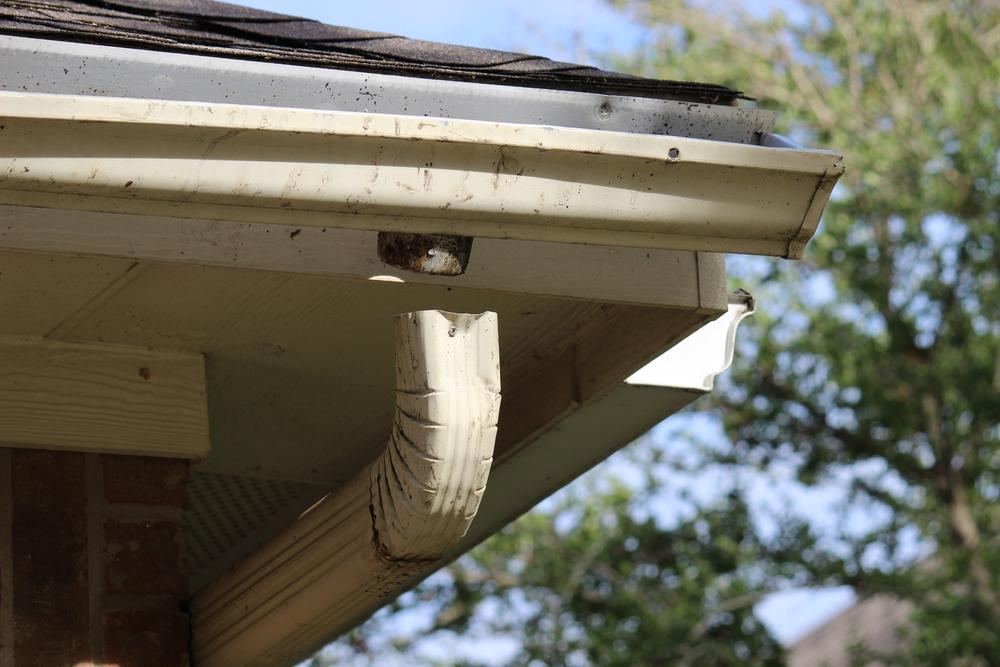
How North Texas Weather Affects Your Gutter System Year After Year
Every gutter system ages — but not all of them age at the same rate. A seamless aluminum gutter system in a mild Pacific Northwest climate experiences very different stress than the same system installed in Fort Worth, Texas. North Texas's specific combination of climate extremes puts above-average demands on gutter materials, hardware, and sealant that homeowners in the DFW area should understand.
Knowing how local weather affects your gutter system helps you make smarter decisions about maintenance frequency, material selection, when to repair versus replace, and how much your gutter system is actually working for your home. For homeowners in Fort Worth, Southlake, Keller, Colleyville, Grapevine, Trophy Club, and surrounding DFW communities, this guide breaks down every weather factor that affects gutter performance and longevity in North Texas.
Intense Spring Storms: The Peak Test for DFW Gutters
North Texas spring storm season — roughly March through June — is the most demanding period of the year for gutter systems in the DFW area. Multiple factors converge during this season that combine to put gutter performance under maximum stress:
Rainfall intensity. DFW storms can deliver two to four inches of rain in a matter of hours — well above the hourly rainfall rate that gutter sizing standards are typically designed around. A gutter system that performs adequately during moderate rain can overflow completely during an intense spring storm if it's undersized, partially clogged, or has too few downspouts. The difference between a gutter system that handles spring storms and one that doesn't is often sizing — the argument for specifying 6-inch gutters on larger DFW homes rather than defaulting to 5-inch everywhere.
Hail impact. DFW sits in North Texas hail territory. Spring storms frequently bring hail ranging from pea-sized to baseball-sized, all of which impacts gutters directly. Hail dents aluminum, stresses sealant at joints, loosens fasteners, and damages downspout connections. After any significant hailstorm, gutter inspection is warranted regardless of how the system appeared before the storm.
High winds. Spring storms in North Texas routinely bring 50 to 70 mph wind gusts. Those winds stress gutter-to-fascia connections, can displace sections that were already marginally secured, and drive debris into gutters and downspouts at velocity. Hardware that was adequate through winter may fail under spring storm wind loads.
Debris loading. Spring brings pollen season — an enormous biological debris load that accumulates in gutter channels during March and April and reduces flow capacity heading into the heaviest rainfall period. Gutters that haven't been cleaned since fall enter spring pollen season already partially loaded.
Extreme Summer Heat: UV Degradation and Material Stress
The DFW summer is punishing by any measure. Regular highs above 100 degrees, UV index levels among the highest in the continental US, and a summer that extends from late May through September create specific gutter degradation patterns that North Texas homeowners should understand.
UV exposure and sealant degradation. The sealant used at gutter corners, downspout outlets, and end caps — the connections that keep seamless systems watertight — is vulnerable to UV degradation. Extended exposure to North Texas summer UV breaks down the polymer chains in gutter sealant, causing it to dry, crack, and eventually fail. This is one reason why DFW gutter joints and connections require more frequent inspection than in less UV-intense climates.
Thermal expansion and contraction. This is one of the most consistently damaging forces on DFW gutter systems over time. Aluminum expands and contracts with temperature — and in North Texas, the difference between a winter low of 20 degrees and a summer high of 105 degrees represents an 85-degree swing. That's a significant material movement over a full year cycle, and over multiple years, the repeated expansion and contraction stresses every connection point in the system. Seamless gutters handle this stress better than sectional systems because the continuous aluminum run can flex along its length rather than concentrating stress at joint connections.
Heat effects on painted finishes. The baked-enamel finishes on modern aluminum gutters are designed to handle North Texas heat, but lower-quality paint products can fade, chalk, or blister under prolonged UV and high-temperature exposure. This is primarily a cosmetic concern — though significant finish failure can reduce the material's corrosion resistance over time.
Fall Debris Loads: The Accumulation Challenge
North Texas fall brings one of the highest residential debris loads of any major US metro area — a consequence of the diverse and mature tree canopy that defines established neighborhoods throughout DFW.
Live oaks in North Texas are "semi-deciduous" — they drop leaves in late winter and early spring rather than fall, but they continuously shed small debris throughout the year. Pecans drop heavy nuts and leaf clusters beginning in September and continuing through November. Cedar elms shed in fall. Sweetgums produce their distinctive spiked balls from late summer through fall. Together, these species create a debris accumulation rate in established DFW neighborhoods that fills gutters faster than most homeowners expect.
The consequence for gutter systems is clear: gutters that haven't been cleaned by late fall in North Texas are typically carrying heavy, wet debris loads heading into the winter rain season — which creates overflow risk, adds weight stress to hangers and fascia, and maintains moisture contact against the fascia board that accelerates deterioration.
Fall cleaning timing in DFW is ideally late November — after the bulk of leaf drop has occurred — rather than mid-October when substantial additional debris will fall after cleaning.
Winter Ice Events: Occasional But Significant Stress
North Texas winters are generally mild compared to northern states, but the DFW area experiences periodic ice events that put specific stress on gutter systems:
Ice dams and weight loading. Water standing in gutters during a freeze event turns to ice — and ice is significantly heavier than water per unit volume. A gutter section carrying even a modest amount of ice can add enough weight to pull hangers loose from the fascia, particularly if those hangers were already marginally secured.
Freeze-thaw cycling. DFW winters frequently cycle between freezing temperatures and above-freezing conditions within a matter of days. Each freeze-thaw cycle expands and contracts any water in the gutter channel, stressing sealant at joints and connections. This cycling is less severe than in northern climates but is not negligible — particularly for an aging sectional gutter system where sealant is already compromised.
Wind chill and material brittleness. At very low temperatures, aluminum gutters become more brittle and more susceptible to impact damage. Debris impact during winter storms can cause cracking that doesn't occur at summer temperatures.
The Cumulative Effect: What DFW Weather Does to Gutters Over Time
Understanding the cumulative effect of North Texas weather across seasons helps explain why gutter inspection and maintenance frequency matters more in DFW than in milder climates:
Spring storms test capacity, stress fasteners and sealant, and can cause physical impact damage from hail. Summer heat degrades UV-sensitive materials and drives thermal cycling stress. Fall debris loads add weight, create overflow risk, and maintain moisture contact with fascia. Winter events add ice loading stress and freeze-thaw cycling to sealant.
A DFW gutter system that goes without inspection for two or three years has been through multiple cycles of all four of these stress categories. The systems that hold up are the ones installed with quality materials, proper technique, and adequate hardware — and maintained with cleaning frequency appropriate to North Texas debris loads.
What North Texas Weather Conditions Mean for Gutter Selection
DFW's specific climate conditions inform several practical gutter selection and maintenance recommendations:
Choose seamless over sectional. The thermal cycling inherent in North Texas's 80-plus degree annual temperature swing makes joint failures in sectional systems more rapid and more frequent than in milder climates. Seamless gutters eliminate the joint failure mode along the runs.
Size up when in doubt. Spring storm intensity in DFW argues for 6-inch gutters on larger homes rather than defaulting to 5-inch. The cost difference is modest; the performance difference during a major spring storm is meaningful.
Inspect after major storm events. Hail and high wind are not gentle to gutter systems. Post-storm inspection catches damage early — when it's a repair, not a replacement.
Clean at minimum twice per year. Spring after pollen season and fall after leaf drop — minimum. More frequently for heavily treed properties.
Consider gutter guards proactively. Given North Texas's debris load, gutter guards that reduce accumulation to once-annual inspection level are a practical investment for most established DFW neighborhoods.
Quinn Gutters: Built for North Texas Weather Conditions
Quinn Gutters installs seamless gutter systems specifically designed for DFW's demanding climate — correctly sized, properly pitched, installed with hidden hangers on appropriate spacing, and fabricated on-site for every property we serve throughout Fort Worth, Southlake, Keller, Colleyville, Grapevine, Trophy Club, and surrounding North Texas communities.
We maintain the systems we install and advise homeowners on the maintenance frequency and inspection cadence appropriate for DFW weather conditions — because a gutter system is only as good as the ongoing care it receives.

Ready for Another North Texas Storm Season?
Request your free gutter assessment from Quinn Gutters today and make sure your system is ready for everything North Texas weather delivers.


