
our Blog
How to Maximize the Lifespan of Your DFW Gutter System
How to Maximize the Lifespan of Your DFW Gutter System
A properly installed seamless aluminum gutter system in the DFW area can last 20 to 30 years — but only if certain conditions are met. Many systems in North Texas fail significantly earlier than their material's potential because of installation shortcuts, inadequate maintenance, or problems that accumulate unaddressed through multiple storm seasons. Other systems from the same era and material are still performing well because they were installed correctly and have received the maintenance they need.
The difference between a gutter system that reaches 25 years of reliable service and one that requires replacement at 10 or 12 is largely within the homeowner's control — particularly after a quality installation. For homeowners throughout Fort Worth, Southlake, Keller, Colleyville, Grapevine, Trophy Club, Watauga, Hurst, Euless, Bedford, Haltom City, and the broader DFW metroplex, this guide covers everything you can do to maximize the lifespan of your gutter system in North Texas conditions.
Start With Quality Installation
The most important factor in gutter system lifespan is installation quality — and this is determined before the homeowner has any ongoing influence over the outcome.
Key installation quality factors that directly affect lifespan:
On-site fabrication — Genuine seamless gutters fabricated on-site have no joints along the straight runs. Joints are where systems fail first and most frequently in DFW's thermal cycling climate. A quality seamless installation starts with the longest-lasting configuration possible.
Hidden hangers with screws on correct spacing — Hardware that holds the gutter to the fascia through 20-plus years of North Texas weather requires the right fastener type (screws vs. nails) and the right spacing (18 to 24 inches). Systems installed with spikes or with hangers too far apart start accumulating sag and separation much earlier than systems with correct hardware.
Proper pitch — A gutter that drains completely after every rain doesn't hold standing moisture that accelerates corrosion and adds continuous weight stress to the hardware. Gutters installed level or with insufficient pitch create standing water conditions that shorten lifespan significantly.
Quality sealant at corners and outlets — The connections at corners and downspout outlets are the only seam locations in a seamless system. Quality sealant properly applied at these points provides the watertight seal that protects the fascia and maintains drainage integrity through multiple storm seasons.
If your gutters were installed with these quality standards, maximizing lifespan is primarily a maintenance and monitoring exercise. If your gutters were installed with shortcuts, those shortcuts typically manifest within the first five to ten years — and addressing them early is less expensive than waiting for them to compound.
Clean Consistently and at the Right Frequency
Debris accumulation is the most common accelerant of gutter system aging. Standing debris in the channel retains moisture, adds weight, creates conditions for biological growth, and contributes to the corrosion that shortens material lifespan. For DFW homeowners, the right cleaning frequency matters more than in many other regions:
At minimum, twice per year: Late spring after pollen season and late fall after leaf drop are the two most critical cleanings for DFW gutters. These cleanings prepare the system for the two highest-risk periods — spring storm season and winter rain events.
Three times for moderate to heavy tree coverage: Homes with significant live oak, pecan, or cedar elm coverage benefit from a mid-summer cleaning that prevents debris accumulation from compounding through the fall.
After major storm events: Any significant storm event can deposit debris loads that exceed what the regular cleaning schedule addresses. Post-storm inspection and cleaning when debris load warrants it is part of maximizing system lifespan.
Consistent cleaning prevents the weight accumulation that stresses hangers, the moisture retention that accelerates corrosion, and the overflow events that damage fascia — all of which shorten system lifespan. The cost of regular cleaning is small compared to the cost of premature replacement.
Inspect Systematically and Address Problems Early
Gutter problems caught in their early stages are almost always less expensive to address than the same problems allowed to progress through multiple seasons. A semi-annual inspection — coordinated with cleaning visits — and a post-storm walk-around after significant weather events is the minimum systematic approach that extends system lifespan.
What to inspect:Joint condition at corners and outlets. Hardware condition — hangers and fasteners seated correctly and not showing signs of pulling loose. Pitch — confirming the system drains completely after rain rather than holding standing water. Fascia contact condition — the wood behind the gutter is dry and solid, not softening from moisture contact.
Address what you find promptly:A joint beginning to fail, resealed within a season, extends the system's life. A hanger that's pulling loose, resecured before the next storm, prevents the sag and separation that follows. A section of fascia that's beginning to soften, addressed before gutters pull away, preserves the mounting surface.
Problems that are ignored accumulate — and a gutter system that has multiple unaddressed issues entering a North Texas storm season ages faster than one where each issue was caught and addressed individually.
Protect the Fascia That Holds the System
The fascia board's condition is one of the most important factors in gutter system lifespan — because the fascia is the mounting surface. Once fascia begins to deteriorate from moisture damage, the system loses its structural mounting and begins sagging and separating regardless of how well the gutters themselves are maintained.
What protects the fascia:
Clean gutters that don't overflow. Overflow is the primary mechanism that keeps fascia wet through repeated rain events, driving the moisture accumulation that leads to softening and rot.
Properly pitched gutters that drain completely after rain. Gutters that hold standing water maintain moisture contact with the fascia continuously rather than only during rain events.
Properly sealed corner and outlet connections. Rear-channel joint failures that direct water against the fascia rather than toward the downspout are invisible from the ground but continuously damaging.
Gutter guards on heavily treed properties. Guards that reduce overflow frequency directly protect the fascia from the chronic wetting that the overflow causes.
When the fascia stays solid, the mounting hardware holds, and the gutter system maintains its correct position and pitch indefinitely.
Manage Trees and Debris Sources
The single most effective way to reduce gutter maintenance burden and extend system lifespan through reduced debris stress is managing the vegetation that produces the debris:
Trim branches that overhang the roofline. Branches that hang directly over the gutter channel drop debris into it continuously — leaves, small sticks, seed pods, and organic matter that accumulates faster than branches positioned further from the roofline. Keeping the first three to five feet above the gutter channel clear reduces accumulation rates significantly.
Be strategic about tree species near the roofline. When landscaping near the home is being replanned or refreshed, consider tree placement relative to the roofline. Live oaks and pecans are beautiful and valuable landscape trees — but they produce the highest debris loads in DFW's canopy. Positioning these species away from the immediate roofline area and reserving closer positions for lower-debris species makes long-term gutter management significantly less demanding.
Consider Gutter Guards for Long-Term Protection
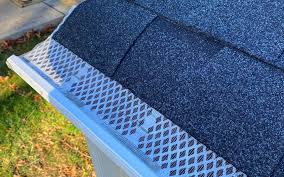
Gutter guards — when they're quality systems appropriate for DFW's debris profile — extend system lifespan by reducing the debris accumulation that is the most common accelerant of gutter aging. By keeping the channel cleaner between service visits, guards reduce standing moisture in the channel, reduce overflow frequency, reduce the weight stress on hangers from heavy debris loads, and maintain the flow performance that keeps the fascia dry.
For DFW homeowners who find their gutters requiring three or four cleanings per year without guards, the combination of maintenance savings and extended system lifespan typically produces a strong return on guard installation investment within a few years.
Maintain the Full Drainage System
A gutter system's lifespan is also affected by what happens after water leaves the downspout. Downspouts that discharge against the foundation create hydrostatic pressure on the fascia zone from the saturated clay soil — which adds a secondary moisture source to the fascia deterioration risk. Downspouts that discharge onto surface areas that drain back toward the foundation create the same problem from a different direction.
Underground downspout extensions that carry water well away from the foundation protect not just the foundation but also the fascia's structural integrity by keeping the soil around the mounting area from being repeatedly saturated.
Quinn Gutters: Supporting Long Gutter System Lifespans Across DFW
Quinn Gutters installs systems built for longevity and supports that lifespan through cleaning, repair, inspection, and maintenance services for homeowners throughout Fort Worth, Southlake, Keller, Colleyville, Grapevine, Trophy Club, Watauga, Hurst, Euless, Bedford, Haltom City, and surrounding North Texas communities.

Get the Most From Your DFW Gutter Investment
Request your free assessment from Quinn Gutters today and let our team help you maximize the lifespan of your North Texas gutter system.


