our Blog
How to Protect Your Home's Fascia: Why Gutters Are the First Line of Defense
How to Protect Your Home's Fascia: Why Gutters Are the First Line of Defense
Ask most homeowners in the DFW area what they know about fascia and you'll get a blank look. Ask a homeowner who's just been quoted for fascia replacement after years of gutter problems and you'll get a different response entirely — usually something like "I didn't know that could happen" followed by a significant repair bill.
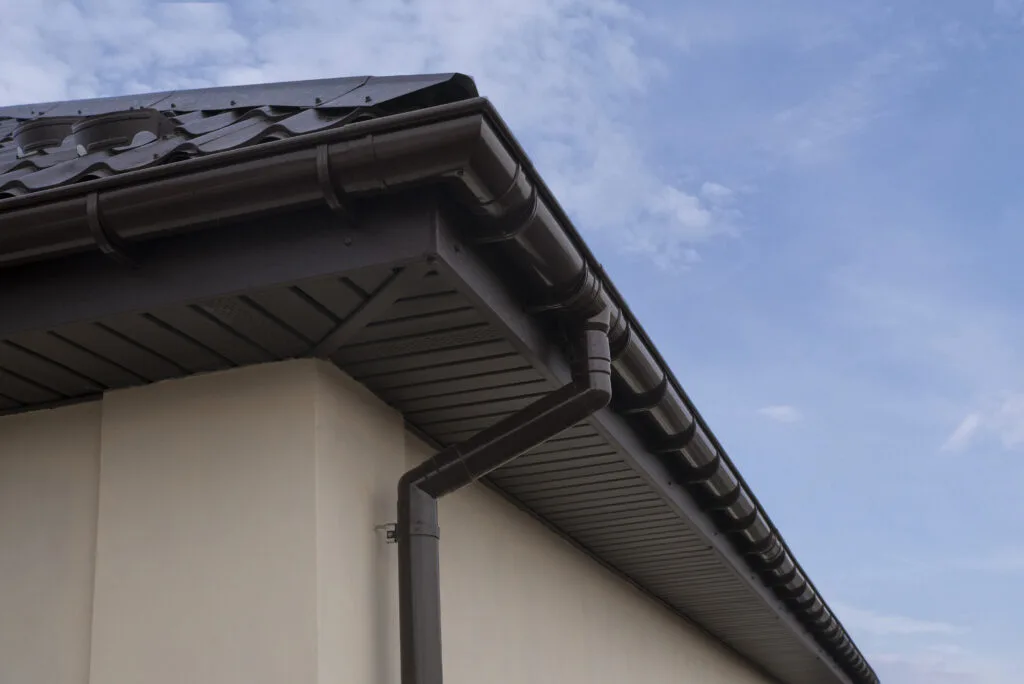
Fascia is the horizontal trim board that runs along the lower edge of your roofline — the board your gutters are attached to. It plays a structural and aesthetic role in your home's exterior, and it's also one of the most vulnerable components when gutters aren't functioning correctly. For homeowners across Fort Worth, Southlake, Keller, Colleyville, Grapevine, and the broader DFW metroplex, understanding the relationship between gutters and fascia is one of the most valuable things you can learn about home maintenance.
What Fascia Does and Why It Matters
Fascia serves several important roles in your home's exterior system:
Structural mounting surface for gutters. The fascia board is what your gutters are physically attached to. The screws, hidden hangers, and brackets securing your gutter system go through the gutter material and into the fascia. When fascia deteriorates, it can no longer hold fasteners — and gutters that are losing their mounting surface will sag, pull away from the roofline, and eventually separate entirely.
Closure between the roof structure and exterior walls. Fascia boards close the gap between the roofline rafters and the home's exterior walls. This closure prevents water, insects, and small animals from accessing the interior of the roof structure directly.
Aesthetic roofline definition. Fascia forms the visible trim line along the bottom of the roofline. It contributes significantly to a home's curb appeal and exterior finish quality. Stained, rotted, or visibly damaged fascia has a disproportionate negative impact on how a home looks from the street.
When fascia deteriorates — primarily through moisture exposure from failing gutters — all three of these functions are compromised. The repair cost of replacing fascia is significant, and the work required to properly replace deteriorated fascia and reinstall gutters afterward is more complex and expensive than simply maintaining the gutter system that was supposed to protect the fascia in the first place.
How Gutter Failures Damage Fascia
The mechanism connecting gutter failure to fascia damage is straightforward but often not apparent until the damage is well advanced.
Overflowing gutters:When gutters overflow — from clogs, inadequate capacity, or improper pitch — water spills over the front edge and also flows backward over the rear edge of the gutter, directly against the fascia board. In a single overflow event, this may not cause significant harm. Over multiple rain events across multiple seasons, however, the repeated wetting of the fascia wood causes progressive moisture absorption, softening, and eventually wood rot.
Leaking joints at the rear of the gutter:In sectional gutter systems, joint failures don't always manifest as drips from the bottom of the joint. Some joint failures direct water backward, running it along the inside rear of the gutter channel and directly against the fascia. This leak pattern is invisible from the ground — the only evidence is typically the staining and eventual softening of the fascia wood, often discovered during a gutter cleaning or inspection.
Standing water in the channel:Gutters that hold standing water — from improper pitch or blocked downspouts — keep the fascia behind them in contact with moisture continuously rather than only during rain events. This persistent moisture exposure accelerates fascia deterioration significantly compared to gutters that drain completely after each rain.
Ice and freeze-thaw cycling:North Texas winters bring occasional ice events that cause water standing in gutters to freeze. Ice expansion puts stress on the rear gutter edge, pushing it against the fascia repeatedly. Over multiple seasons, this mechanical stress can crack paint, compress wood fibers, and create entry points for moisture.
Signs Your Fascia Is Being Damaged by Gutters
Several indicators visible from the ground or during a gutter inspection tell you that fascia damage is developing:
Staining or paint failure on the fascia surface directly behind the gutter. Dark staining, peeling paint, or discoloration running along the fascia behind the gutter channel indicates that water is regularly contacting the wood there.
Visible softness or sponginess in the fascia. During a gutter inspection or cleaning, if you press on the fascia and feel soft or spongy resistance rather than firm wood, moisture damage is already underway. Healthy fascia is hard and resistant; deteriorated fascia compresses under finger pressure.
Gutters pulling away from the roofline repeatedly. If gutters have been reattached multiple times and keep pulling loose, the fascia is likely deteriorated to the point where it can no longer hold fasteners. The gutter appears to be the problem, but the root cause is the fascia behind it.
Visible rot, cracking, or biological growth on the fascia surface. Dark biological growth (mold, algae) appearing on the fascia below the gutter line indicates long-term moisture exposure. Visible cracking or splitting suggests the wood has gone through repeated wet-dry cycles that have compromised its structural integrity.
Preventing Fascia Damage Through Proper Gutter Care
The best fascia protection is a properly functioning gutter system. Specifically:
Keeping gutters clean and free of debris prevents the overflow that directs water against the fascia. In North Texas with its heavy debris loads, this means cleaning at minimum twice per year — and more often for properties with heavy tree coverage near the roofline.
Maintaining proper pitch ensures gutters drain completely after each rain event rather than holding standing water against the fascia continuously. A gutter that drains completely within a few hours of rain stopping is not keeping the fascia wet between storms.
Addressing joint failures promptly on sectional systems prevents the rear-channel leak pattern that directs water directly against the fascia without visible evidence from the ground.
Transitioning from sectional to seamless gutters eliminates the joint failure mode that is responsible for a significant percentage of fascia damage in established DFW neighborhoods. Seamless gutters have no joints along the straight runs to fail and direct water against the fascia.
Installing gutter guards reduces the debris accumulation that leads to overflow, giving the fascia the protection of a consistently clear and draining gutter system.
When Fascia Replacement Is Necessary
When fascia damage has progressed to the point of structural deterioration, replacement is necessary before gutters can be properly reinstalled. Installing new gutters on rotted fascia is a mistake that produces predictable results — the new gutters begin pulling loose almost immediately because there's nothing solid left to hold the fasteners.
Fascia replacement ahead of seamless gutter installation is a combination Quinn Gutters encounters regularly in established DFW neighborhoods where long-term gutter problems have gone unaddressed. We assess fascia condition during the pre-installation inspection and communicate clearly about whether fascia work is needed before the gutter installation can proceed.
The right sequence: address fascia, install new gutters, maintain them properly so the fascia stays protected going forward.
Quinn Gutters: Protecting Fascia Through Quality Gutter Installation in DFW
Quinn Gutters installs seamless gutter systems for homeowners throughout Fort Worth, Southlake, Keller, Colleyville, Grapevine, Trophy Club, and surrounding North Texas communities with the attention to pitch, hanger spacing, and connection sealing that keeps gutters draining correctly and fascia boards protected.
We inspect fascia condition during every pre-installation assessment and address any issues we find honestly before work begins. Protecting your fascia by getting the gutter system right is exactly the kind of long-term thinking that defines how Quinn Gutters approaches every project.

Protect Your Fascia Before the Next North Texas Storm Season
Request your free gutter inspection and quote from Quinn Gutters today and let our team make sure your gutters are protecting your fascia the way they're supposed to.


