
our Blog
How to Spot Water Damage From Gutter Failure: A DFW Homeowner's Visual Guide
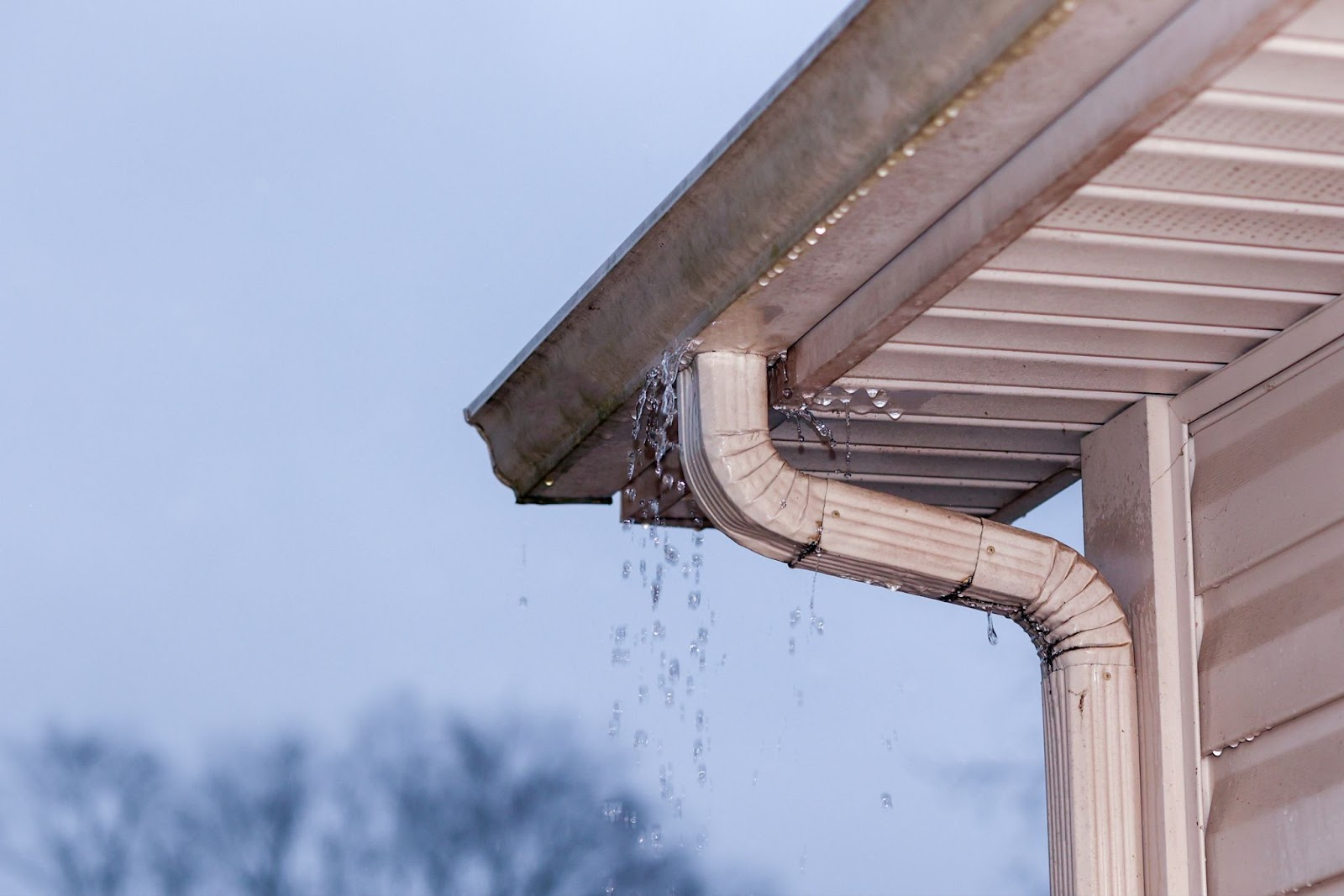
Gutter failure in the DFW area doesn't usually announce itself dramatically. More often it's a gradual process — a joint that begins leaking slightly, a section that's marginally clogged, a downspout that's discharging a few feet too close to the foundation — and the consequences develop slowly across multiple seasons before they become obvious enough for the typical homeowner to notice from the ground.
By the time the signs are visible and unmistakable, the damage is usually well established. Understanding what to look for — and where to look for it — gives Fort Worth, Southlake, Keller, Colleyville, Grapevine, Trophy Club, Roanoke, North Richland Hills, and broader DFW homeowners the ability to catch gutter-related damage early, when it's still a repair situation rather than a major remediation.
On the Exterior Walls and Fascia
Dark streaking or staining on exterior walls below the gutter line. This is one of the most visible and distinctive signs of gutter failure visible from the ground. When gutters overflow or leak at joints along the rear of the channel, water runs down the exterior wall repeatedly — depositing mineral deposits, biological growth, and dirt that stain the surface. The staining typically runs vertically from below the gutter line and broadens as it reaches lower courses of the siding. On brick, this appears as dark mineral staining. On painted siding, it appears as darkening or discoloration that doesn't wash off with rain.
Paint peeling or bubbling on fascia or exterior trim. Moisture infiltrating wood causes paint to lose adhesion from below, producing the characteristic bubbling and peeling that's visible on fascia boards that have been getting wet from gutter overflow or joint leaks. This is often the first visible evidence that a section of fascia has been experiencing prolonged moisture exposure.
Staining below soffit overhangs. When water penetrates behind the fascia and reaches the soffit, staining appears on the soffit face — often as dark spots or running stains that appear to originate from above rather than from a point leak. This pattern indicates the fascia itself has been compromised and moisture is reaching structural components behind the finished surface.
Visible fascia discoloration or surface changes. Dark brown or grey discoloration on the fascia face — particularly if the paint is intact but the wood beneath looks different through it — indicates moisture absorption that hasn't yet produced obvious surface damage. Pressing gently on these areas reveals whether the wood has softened.
At the Foundation and Grade Level
Water pooling at the foundation after rain. This is the most consequential sign of gutter failure for DFW homeowners on clay soil. Water collecting against the foundation — particularly in locations directly below downspout discharge points or below the roofline drip line — indicates that roof water is reaching the foundation zone in concentrated amounts. On North Texas clay, this pooling is the mechanism that drives the moisture cycling causing foundation movement.
Soil erosion channels below the roofline. When gutter overflow falls repeatedly at the same location, it erodes the soil surface below — creating channels, bare spots, and washouts in landscaping. These erosion patterns are often the first visible evidence of chronic overflow at a specific gutter section. Erosion channels running away from the foundation along the drip line indicate the overflow has been occurring for multiple storm events.
Efflorescence on concrete or masonry foundations. Efflorescence is the white chalky mineral deposit that appears on masonry surfaces when moisture moves through them and evaporates at the surface, leaving minerals behind. It's a reliable indicator that water has been penetrating into or through the masonry repeatedly — and when it appears at the base of a foundation wall, it signals that the foundation material has been experiencing moisture exposure beyond normal.
Mold or biological growth at the base of the home. Mold, algae, and moss growth at ground level along the home's foundation — particularly in locations that stay consistently moist — indicate that water is collecting there repeatedly rather than draining away. In DFW, this often appears on the north side of the home where organic growth favored by shade and moisture is most visible.
In the Yard and Landscaping
Persistently soggy or spongy turf adjacent to the home. Turf areas that remain wet and soft for days after rain events — particularly along the home's perimeter — indicate that water is being delivered to those areas repeatedly in volumes that exceed the soil's drainage capacity. On DFW clay, this means water is staying near the surface and migrating toward the foundation over time.
Washouts in mulched beds. Mulch that's been washed away from landscaped beds along the home's perimeter — either by direct overflow or by runoff from improperly discharged downspouts — leaves bare soil exposed and creates the erosion channels that indicate a recurring, concentrated water delivery problem.
Dead or dying grass in specific pattern shapes. Dead or stressed turf in patterns that correspond to gutter locations or downspout discharge points — particularly circular or fan-shaped areas around downspout outlets — can indicate that water has been oversaturating those specific zones while the rest of the yard drains normally.
Inside the Home
Water staining on interior ceilings near exterior walls. Ceiling staining that appears near the home's perimeter — particularly in corner areas below where the roof meets an exterior wall — can indicate water intrusion through the fascia or soffit that's migrated inward. This is more advanced gutter-related damage that indicates the exterior water protection has been compromised enough for moisture to reach the interior structure.
Musty odors near exterior walls. Musty or mildew odors from interior spaces adjacent to exterior walls — particularly in areas without plumbing or obvious water sources — can indicate moisture infiltration through the wall structure driven by prolonged fascia or siding exposure to gutter overflow.
Sticky doors and windows. The most common early warning sign of foundation movement — which is the ultimate consequence of chronic gutter failure on DFW clay soil — is doors or windows that stick, bind, or no longer close smoothly. In North Texas, this symptom is most acute during or after wet spring seasons when clay soil is most saturated. Sticking that appears or worsens after wet periods and eases during dry periods is a pattern consistent with moisture-driven foundation movement.
Visible cracks in interior walls. Diagonal cracks running from the corners of door frames or window frames upward are classic foundation movement indicators. In DFW, these cracks often correlate with chronic poor drainage — including gutter systems that have been consistently delivering roof water to the foundation zone over years.
When to Call Quinn Gutters
Any of the signs described above warrants a professional gutter inspection to assess whether the gutter system is the contributing factor and what needs to be done to stop the damage progression.
For exterior signs — staining, fascia damage, erosion, pooling — gutter repair or replacement combined with any necessary drainage improvements typically stops the damage and prevents further progression.
For interior signs — staining, musty odors, sticking doors, or wall cracking — the gutter system should be assessed as part of a broader evaluation that may include structural or foundation professionals depending on the severity of what's found.
Quinn Gutters serves homeowners throughout Fort Worth, Southlake, Keller, Colleyville, Grapevine, Trophy Club, Roanoke, North Richland Hills, and surrounding DFW communities with honest assessments of gutter-related damage and the repair, replacement, and drainage services needed to address the root cause.
Catch Gutter Damage Early — Before It Costs More
The visual signs covered in this guide are almost always catchable early if homeowners know what to look for. An annual or semi-annual walk-around of the home perimeter — taking note of staining, erosion, pooling, and fascia condition — takes 15 minutes and can identify gutter problems when they're still minor repairs rather than major restoration projects.

Request your free gutter inspection from Quinn Gutters today and let our team assess your system for any signs of damage before the next North Texas storm season arrives.


