
our Blog
Preventing Mold and Pest Problems With Proper Gutter Maintenance in DFW
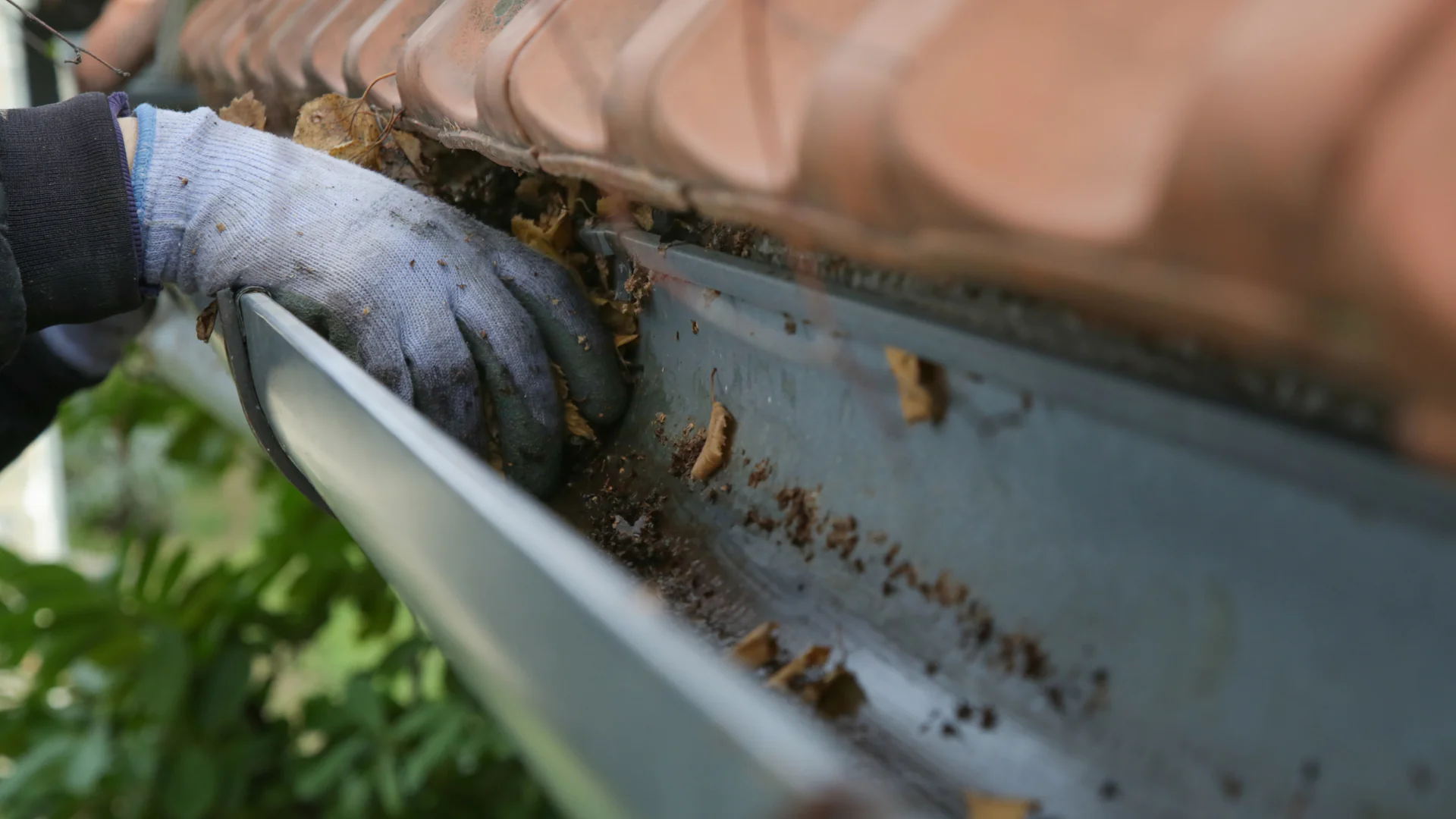
When the conversation about gutter maintenance focuses on foundation protection, fascia damage, and siding deterioration — as it often does, for good reason — there's a category of consequences that gets less attention but is genuinely significant for North Texas homeowners: the pest and mold problems that develop when gutters are neglected.
Clogged gutters holding standing water and decomposing organic debris create ideal conditions for mosquito breeding, wasp and bird nesting, rodent activity, mold growth, and the plant germination that transforms a drainage channel into a small ecosystem. In Fort Worth and surrounding DFW communities, where West Nile virus has been an ongoing public health concern and summer pest pressure is significant, these consequences have real quality-of-life and health implications beyond the structural concerns.
For homeowners throughout Fort Worth, Southlake, Keller, Colleyville, Grapevine, Trophy Club, Watauga, Hurst, Euless, Bedford, Haltom City, Benbrook, Azle, Mansfield, Burleson, and the broader DFW metroplex, understanding this dimension of gutter maintenance adds another compelling reason to keep systems clean and functioning.
Mosquitoes: The Most Serious Pest Consequence of Gutter Neglect in DFW
Mosquitoes are the most significant pest issue associated with gutter neglect in the DFW area — and this is not a minor concern in Fort Worth specifically. The City of Fort Worth and Tarrant County have active mosquito monitoring and abatement programs precisely because West Nile virus, transmitted by Culex mosquitoes, remains a documented public health risk in North Texas.
How gutters become mosquito habitat:Mosquitoes require standing water to complete their reproductive cycle. Specifically, female mosquitoes lay eggs on the surface of standing water, and the larvae that hatch develop through multiple stages in that water before emerging as adult mosquitoes. The standing water in clogged gutters — warm, nutrient-rich from decomposing organic material, protected from predators, and persistently available even between rain events as the trapped debris retains moisture — is essentially optimal mosquito breeding habitat.
A single clogged gutter section holding standing water throughout summer can support the development of hundreds of mosquitoes per week. For a home with multiple clogged sections, the contribution to the local mosquito population is meaningful and measurable in the pest pressure experienced in the yard.
The ordinance dimension:North Richland Hills — one of Quinn Gutters' service communities — has municipal ordinances that address standing water conditions that create mosquito breeding grounds, including clogged gutters. This represents the most direct regulatory expression of the public health concern around gutter neglect, but the underlying concern applies equally throughout the DFW area regardless of whether municipal ordinances specifically address it.
How gutter maintenance eliminates this risk:Regular cleaning that keeps the gutter channel clear eliminates the debris that retains moisture between rain events. Clean gutters drain completely within a few hours of rainfall ending — leaving no standing water for mosquito egg-laying. Gutter guards that reduce debris accumulation between cleanings extend the period during which the channel remains inhospitable to mosquito breeding.
Wasps and Bees: Nesting in Clogged Gutters
Several wasp species — particularly paper wasps and mud daubers — are attracted to gutter environments that offer protected cavities, building material access, and proximity to water sources. Accumulated leaf debris in gutters provides building material. Standing water provides moisture. The partial enclosure of the gutter channel provides the protected overhang that these species prefer for nest construction.
In DFW's warm spring and summer seasons, wasps that establish nests in clogged gutters can create genuine safety hazards — particularly during gutter cleaning when disturbing the nest creates a defensive response. Homeowners who have been stung while clearing debris from gutters have experienced this consequence directly.
Prevention:Regular gutter cleaning through fall and early spring — before wasp season peaks in late spring and summer — removes debris before nest construction begins. Clean gutters that don't provide the accumulated material that paper wasps need for nest construction are significantly less attractive nesting locations.
Birds: Nesting and Associated Problems
Several bird species in DFW use gutter systems as nesting locations. Sparrows, starlings, and occasionally house wrens will build nests in gutters where accumulated debris provides foundation material and the channel provides shelter from weather and predators.
Beyond the immediate nesting activity, bird nests in gutters create significant drainage problems. Nest material — compressed grass, leaves, feathers, and debris — is highly effective at blocking water flow. A bird nest positioned near a downspout inlet can completely block drainage for the full run during rain events. Additionally, bird droppings accumulate in and around active nesting sites, creating sanitation concerns and contributing to the biological growth that stains exterior wall surfaces.
Prevention:Regular cleaning removes accumulated debris before it reaches the threshold that attracts nesting activity. Gutter guards that block the interior of the channel from bird access are the most effective prevention for properties where bird nesting has been a recurring problem.
Rodents: Using Gutters as Access Pathways
Small rodents — primarily mice and squirrels — occasionally use gutter systems as pathways to access roofline areas and potentially the attic space. Downspouts provide vertical climbing pathways, and gutter channels with debris accumulation can serve as pathways from downspout tops to roofline access points near soffits and fascia.
While rodents themselves don't nest in gutters the way birds do, clogged gutters with soft, decomposing debris can attract mice and rats that use the gutter channel as a sheltered pathway to higher roof areas. Once in the attic space, the damage and remediation costs are substantial.
Prevention:Clean gutters without accumulated debris are less attractive pathways for rodents. Ensuring that soffit and fascia connections are intact — which proper gutter maintenance helps accomplish by preventing the fascia deterioration that creates gaps — reduces the access points that rodents use to enter attic spaces from the roofline.
Mold and Mildew: Growing in and Around Neglected Gutters
Mold and mildew thrive in the conditions that clogged gutters create: sustained moisture, organic material, limited sunlight, and warm temperatures for much of the DFW year. Two distinct mold-related problems develop in and around neglected gutter systems:
Interior channel mold:Decomposing organic debris in clogged gutters becomes saturated and supports significant mold growth within the channel itself. This mold is typically visible as dark biological matter mixed with the debris when gutters are eventually cleaned. Beyond the aesthetic unpleasantness, high concentrations of mold in gutter debris can contribute to elevated mold spore counts around the home's exterior — a concern for residents with allergies or mold sensitivities.
Exterior surface mold and algae:The overflow from clogged gutters that runs down exterior walls delivers sustained moisture to wall surfaces that then support algae and mildew growth. This biological growth on siding and brick surfaces appears as dark staining or greenish discoloration — often appearing below the gutter line in a pattern that corresponds to overflow locations. The growth is not only cosmetically damaging but accelerates the deterioration of paint finishes and masonry surfaces.
Prevention:Regular gutter cleaning removes the organic material that supports mold growth in the channel. Eliminating overflow through properly maintained, properly sized gutters removes the moisture source that drives biological growth on exterior wall surfaces.
Plant Growth: When Gutters Become Planters
If organic debris in a gutter channel is left long enough to retain moisture through multiple dry periods, it eventually supports plant germination. Live seeds in leaf debris and pollen can germinate in the moist, rich organic medium that accumulated debris creates. Visible plant growth in gutter channels is one of the most reliable ground-level indicators that the system is significantly overdue for cleaning.
Beyond the cosmetic issue, plant growth in gutters contributes to structural problems. Root growth from small plants can infiltrate seams and joints, creating new leak paths. The weight of soil-like material supporting plant growth adds sustained stress to hangers. And the moisture retention of soil-filled gutters keeps the fascia wet continuously rather than just during rain events.
Quinn Gutters: Preventing Pest and Mold Problems Through Professional Maintenance
Professional gutter cleaning from Quinn Gutters removes the conditions that create these pest and mold problems — debris accumulation, standing moisture, and the organic material that supports biological growth. For DFW homeowners who have experienced mosquito pressure, wasp nesting, or biological staining that corresponds to gutter locations, professional cleaning and a maintenance schedule appropriate to your property's debris load is the most direct solution available.
Quinn Gutters also installs gutter guard systems that reduce debris accumulation between cleaning visits — extending the period during which gutters remain inhospitable to the conditions that create pest and mold problems.
We serve homeowners throughout Fort Worth, Southlake, Keller, Colleyville, Grapevine, Trophy Club, Watauga, Hurst, Euless, Bedford, Haltom City, Benbrook, Azle, Mansfield, Burleson, and surrounding DFW communities.

Protect Your DFW Home and Yard From Gutter-Related Pest and Mold Problems
Request your professional gutter cleaning from Quinn Gutters today and eliminate the conditions that create pest and mold problems in and around your North Texas home.


