
our Blog
The DFW Homeowner's Guide to Gutter System Longevity
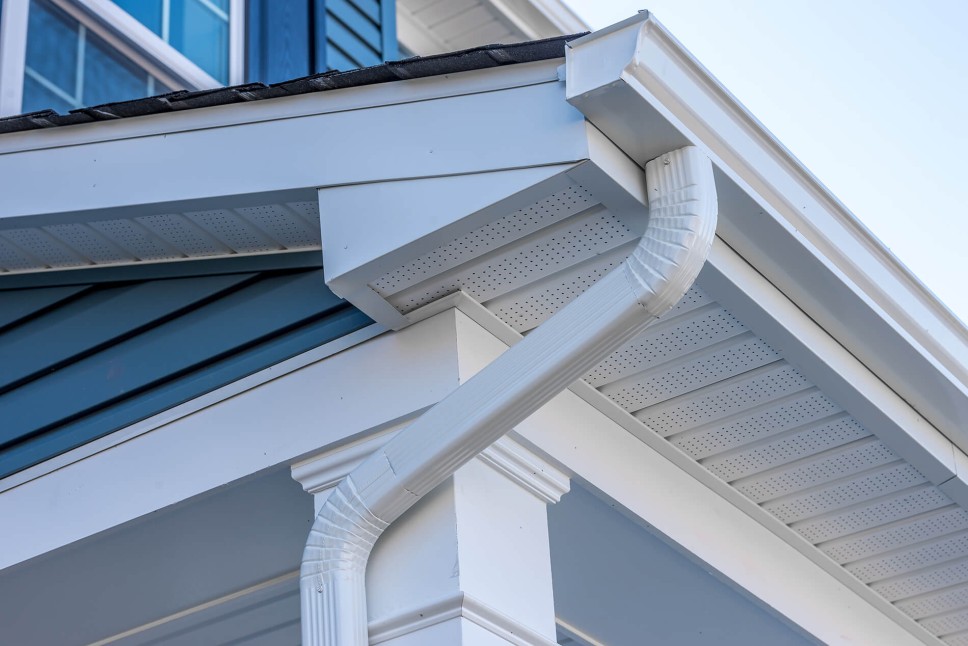
A seamless aluminum gutter system installed correctly in the DFW area can last 20 to 30 years. In practice, many systems don't approach that lifespan because specific factors — some controllable, some environmental — shorten it. Understanding what determines how long a DFW gutter system actually performs helps homeowners make better installation decisions, maintenance choices, and capital improvement plans.
This guide covers the complete picture of gutter system longevity for homeowners throughout Fort Worth, Southlake, Keller, Colleyville, Grapevine, Trophy Club, Flower Mound, Highland Village, Lewisville, Northlake, Argyle, Weatherford, Aledo, and the broader DFW metroplex — from the installation quality factors that set the foundation for long service life to the maintenance practices and environmental management decisions that extend it.
The Installation Quality Foundation
The single most important determinant of gutter system longevity is the quality of the original installation. Every installation decision that's wrong at the start creates a compounding problem that shortens service life:
Material gauge matters:Standard seamless aluminum gutters are available in .027 and .032 gauge. The thicker .032 gauge material has meaningfully better long-term resistance to the thermal cycling, UV exposure, and physical stress (hail, debris weight) that DFW conditions impose. The visual difference between gauges is undetectable in a finished installation — the performance difference over 10 to 20 years is significant.
Quinn Gutters specifies the appropriate gauge for each installation — not the thinnest material that can be specified to produce a lower quote.
Hidden hangers with screws at correct spacing:Gutter spikes — the older fastening method — work loose from DFW's thermal cycling on a predictable timeline, typically producing visible sagging within 5 to 10 years. Hidden hangers with screws maintain their grip through repeated expansion and contraction indefinitely when properly installed. The spacing — 18 to 24 inches throughout each run — determines whether the gutter maintains its shape under water load or deflects between hangers.
Correct pitch maintained throughout:Gutters that drain completely after every rain event don't hold standing water that accelerates internal corrosion. Flat or back-pitched sections that hold water contribute to corrosion and maintain moisture contact with the fascia. Every section of a properly installed system maintains a consistent quarter-inch-per-10-feet slope toward the downspout.
Fascia condition before installation:Installing gutters on sound fascia is the foundation of hardware longevity. Fascia that is already soft or deteriorated at installation will lose additional structural capacity with every weather cycle — producing the hardware failures that require repair within the first few years. A thorough fascia assessment before installation, with any deteriorated sections addressed before new gutters go up, establishes the mounting surface that hardware can hold for 20-plus years.
The Maintenance Practices That Extend Service Life
After a quality installation, the maintenance practices that extend service life are well-defined and actionable:
Cleaning at the right frequency for the specific property:The primary mechanism that shortens gutter system lifespan through poor maintenance is debris accumulation — debris adds weight that stresses hangers, retains moisture that accelerates corrosion, and creates overflow that contacts fascia repeatedly. Cleaning at the frequency appropriate to each property's debris load prevents these consequences.
For most DFW homes: twice-annual minimum. For properties with heavy live oak, pecan, or Bradford pear coverage near the roofline: three to four times per year, or gutter guards that reduce the effective maintenance frequency.
Prompt attention to small repairs:The compounding dynamic described in earlier sections of this guide is directly relevant to longevity. A loose hanger addressed immediately adds negligible cost and zero service life impact. The same loose hanger allowed to produce a sagging section that develops fascia moisture damage extends its consequences to adjacent hardware and eventually to the fascia itself — shortening the overall system's useful life in ways that add up over multiple seasons.
Post-storm inspection:DFW's hailstorms and high-wind events produce hardware displacement and sealant stress that don't cause immediate visible failure but create vulnerabilities that subsequent rain events exploit. Post-storm inspection identifies these vulnerabilities when they're still quick fixes rather than waiting for them to manifest as visible failures during the next storm.
Environmental Management Factors
Beyond installation quality and maintenance practices, several environmental factors significantly affect how long DFW gutter systems perform:
Tree management:The single most impactful environmental action for gutter longevity is managing the vegetation that drops debris into the channel. Trees with branches overhanging the roofline directly deposit debris into the gutter from above — continuously, through every season. Maintaining the first 3 to 5 feet of airspace above the gutter line free of overhanging branches reduces debris accumulation dramatically.
This is especially valuable for the debris-heavy species common in DFW neighborhoods: live oaks with branches that extend far from the trunk, pecans that drop heavily through late summer and fall, Bradford pears that shed blossoms directly into channels in spring.
Downspout discharge management:Downspouts that discharge too close to the foundation create the moisture cycling around the base of the home that affects the fascia and eventually the structural context in which the gutters mount. Getting discharge away from the foundation protects not just the foundation — it protects the environmental conditions around the full gutter mounting system.
UV exposure reduction:South-facing gutter sections in DFW receive intense UV exposure throughout the long summer. While quality baked-enamel finishes are designed to resist UV fading and degradation, south-facing sections experience the most accelerated finish wear. Periodic inspection of south-facing sections for finish degradation identifies any areas where additional attention — cleaning, touch-up, or monitoring for material thinning — is warranted.
Gutter Guards as a Longevity Investment
Quality gutter guards contribute to system longevity in several specific ways that extend beyond the maintenance convenience they provide:
Reduced weight accumulation: Guards that keep the channel clear reduce the debris weight that stresses hangers and contributes to the sag progression that shortens system life.
Reduced standing moisture: Clean channels drain completely. Guards that prevent the heavy debris accumulation that leads to standing water prevent the internal corrosion that standing water produces.
Reduced overflow frequency: Less overflow means less moisture contact with the fascia, which extends the fascia's structural integrity as a mounting surface and reduces the conditions that drive fascia-related hardware failures.
For DFW homeowners investing in a new seamless installation, adding quality guards at the time of installation establishes the maintenance environment that maximizes the system's service life from day one.
The Longevity Timeline: What Realistic Expectations Look Like
For a properly installed, properly maintained seamless aluminum gutter system in DFW:
Years 1-5: No significant maintenance beyond scheduled cleaning and minor post-storm inspections. System performs as installed.
Years 5-10: Corner and outlet sealant may benefit from periodic resealing as thermal cycling ages the original material. Hardware inspection confirms continued secure mounting. No structural concerns in a well-installed system.
Years 10-15: More attentive monitoring of corner sealant and hardware condition. Any hardware that was borderline at installation may begin showing wear. Annual professional inspection is the appropriate maintenance level.
Years 15-20: For systems approaching the upper end of the aluminum service life, condition assessments guide the replacement timing decision. A system with solid hardware, intact corners, and no material deterioration at year 18 is worth maintaining. A system showing multiple hardware issues, sealant failures across multiple corners, and surface deterioration at year 15 warrants replacement planning.
Year 20+: Quality seamless systems regularly reach and exceed 20 years of service life with appropriate maintenance. This is the realistic target for a properly installed, properly maintained DFW system — not a theoretical maximum.
Quinn Gutters: Installing Systems Built to Last
Quinn Gutters installs seamless gutter systems designed for the maximum service life achievable in North Texas conditions — quality material, proper installation techniques, honest fascia assessment before installation, and the maintenance services that keep systems performing through their full service life potential.
We serve homeowners throughout Fort Worth, Southlake, Keller, Colleyville, Grapevine, Trophy Club, Flower Mound, Highland Village, Lewisville, Northlake, Argyle, Weatherford, Aledo, and surrounding DFW communities with the installation quality and ongoing service that translate potential service life into actual service life.

Maximize Your DFW Gutter System's Service Life
Request your free assessment from Quinn Gutters today and let our team install and maintain a gutter system that reaches its full service life potential in North Texas conditions.


