
our Blog
The Truth About Cheap Gutter Installation in DFW: What You're Really Getting
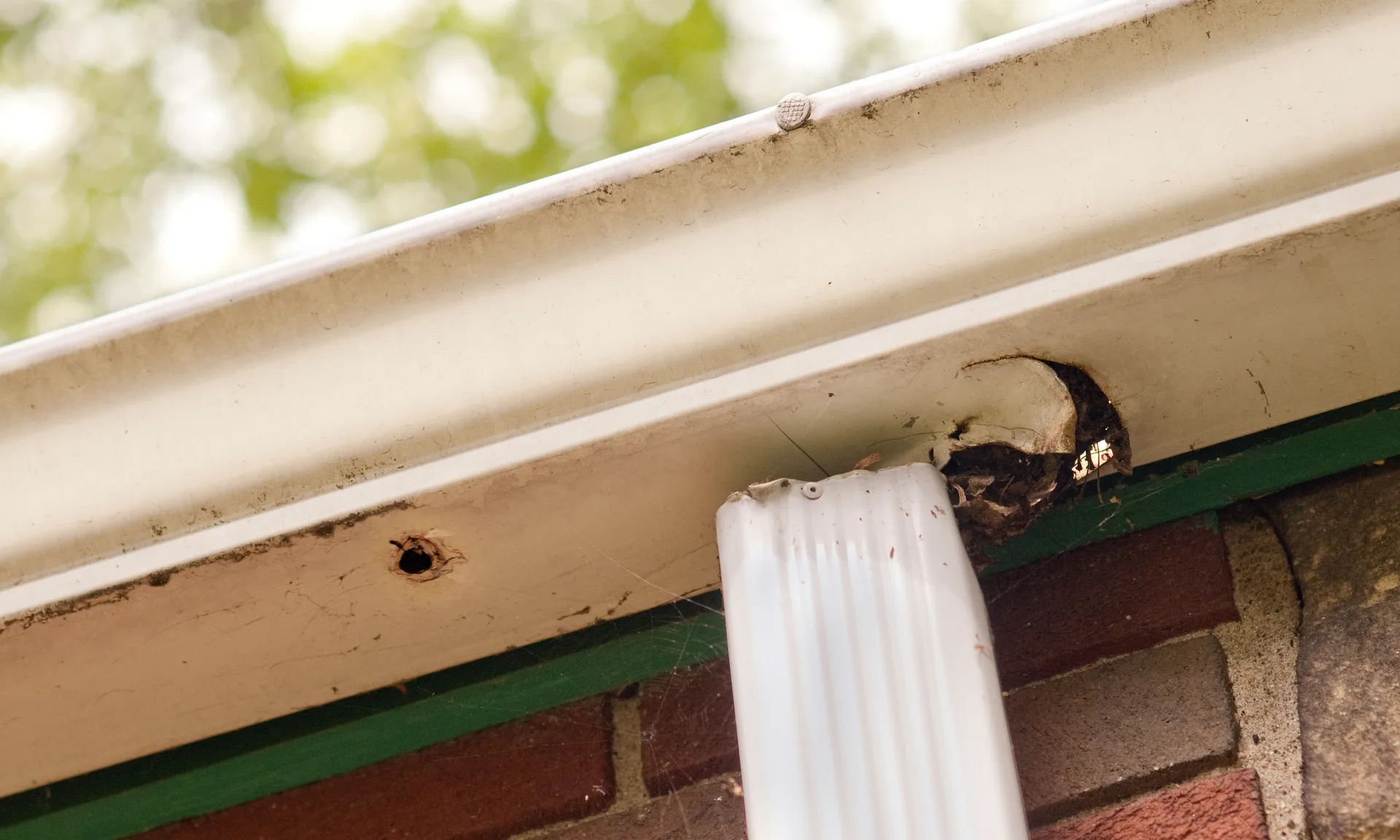
The DFW gutter market has a lower end. Companies that quote below market rates, show up with pre-cut sections instead of a gutter machine, use the fastest installation method rather than the correct one, and move to the next job before the homeowner has had a chance to ask questions. In the short term, the result looks the same as a professional installation. In the first North Texas storm season — and certainly by year three or four — the difference becomes clear.
For homeowners throughout Fort Worth, Southlake, Keller, Colleyville, Grapevine, Trophy Club, Watauga, Hurst, Euless, Bedford, Haltom City, Benbrook, Azle, Mansfield, Burleson, and the broader DFW area who are evaluating competing gutter quotes, understanding what's actually different between a quality installation and a cheap one — and what each will cost over time — is some of the most valuable information available before making a decision.
How Cheap Gutter Installations Are Cheap
Lower prices in gutter installation come from somewhere specific. Here's where the cuts are typically made:
Pre-cut sections instead of on-site fabrication:True seamless gutter installation requires bringing a roll-forming machine to the property and fabricating each run on-site to exact measurements. This takes equipment, expertise, and time. Some operators instead cut aluminum sections at a shop or off-site facility and bring them to the job for assembly — then call the result "seamless." The product has joints. It has seams. It's sectional gutter with a marketing description. The homeowner can't easily tell the difference on day one, but the joints that develop leaks over the following seasons make the distinction obvious.
Gutter spikes instead of hidden hangers:Driving a spike through the gutter face into the fascia is faster than installing hidden hangers with screws. It requires no bracket hardware and no attention to the hanger interior. A spike installation takes half the time of a professional hidden hanger installation — which means it costs the contractor half the labor. On day one, both systems appear identical from the ground. By year five in DFW's thermal cycling environment, the spiked gutters have begun pulling loose from the fascia as the repeated expansion and contraction works the nails out of the wood. The sagging and separation that follows is the predictable result of a fastening choice made to save 15 minutes per job.
No pitch setting:Installing gutters level is significantly faster than measuring and setting a quarter-inch-per-10-feet slope toward the downspout throughout each run. Level gutters hold standing water. Standing water adds weight, accelerates corrosion, and keeps the fascia wet continuously rather than just during rain events. The visible symptom — standing water in the channel after rain has stopped — doesn't appear until the first rainy season. The homeowner who doesn't know to look for it may not notice for a year or more while the damage accumulates.
Inadequate hanger spacing:Professional installation places hidden hangers at 18 to 24-inch intervals. Spacing them at 36 or 48 inches is faster and uses fewer materials — cutting installation time by 20 to 30 percent on a standard job. Widely spaced hangers allow the gutter to flex between support points under water load, producing visible sag at midpoints after the first few seasons of North Texas spring storms. The system that looked straight on installation day develops a rolling profile that traps water instead of draining it.
Skipping the flush test:Running water through the completed system to verify pitch, check for leaks, and confirm downspout flow takes time. Skipping it saves 20 to 30 minutes per job. The homeowner discovers any problems during the first actual rain event — after the contractor has moved on and the crew isn't coming back to fix it without a service call.
No fascia assessment:Looking at the fascia condition before installation takes time and creates conversations that can delay the job or reduce its scope (if the homeowner decides to defer the project because of fascia issues). Skipping this step and installing gutters on marginally soft or deteriorated fascia produces the result that deteriorated fascia always produces — hangers that begin pulling out within the first season as the compromised wood fails to hold the fasteners under water load.
No written warranty:Providing written warranty documentation requires having warranty terms that are actually standing behind the work. Verbal assurances cost nothing and are difficult to enforce. Homeowners who accepted verbal warranty promises and then encountered problems within the first two years of installation know how those situations resolve.
What Cheap Gutter Installation Actually Costs Over Time
The short-term savings from a low-price gutter installation evaporate quickly when the callbacks begin:
Year 1-2: First failures appear.Joints that weren't properly sealed begin leaking at corner connections or at mid-run connections on sectional-style "seamless" installations. Hangers that were spaced too widely begin producing visible sag in the middle of longer runs. A flush test that was never performed means the homeowner discovers pitch problems during the first significant spring storm when water sits in flat sections rather than draining.
Cost to address year 1-2 failures: $150 to $500 in service calls, resealing, and minor repairs.
Year 3-5: Hardware failures begin.Gutter spikes that were holding adequately in year one begin pulling loose as thermal cycling repeatedly stresses the connection. The gutters sag, separate from the fascia in multiple locations, and begin directing water behind the gutter rather than through it. Fascia exposure to this water contact — combined with any pre-existing fascia issues that were never assessed — produces the early stages of wood rot in the fascia behind the failing sections.
Cost to address year 3-5 failures: $500 to $1,500 in more extensive repairs, potentially including fascia repair if deterioration has progressed.
Year 5-8: System reaches replacement.A cheap installation that has been repaired multiple times without lasting results reaches the point where no amount of repair investment returns it to functional condition. The sectional joints are failing systemically, the hanger hardware has lost its grip, and the fascia damage that accumulated during years of overflow and rear-channel leaks needs to be addressed as part of the replacement project.
Cost of replacement: $1,500 to $3,000 for the gutters — plus $500 to $2,000 for fascia repair that wasn't needed when the first installation was done.
Total cost of cheap installation scenario over 8 years:Initial installation: $800 to $1,200 (the low-cost number that seemed attractive)Year 1-5 repairs: $650 to $2,000Replacement + fascia repair at year 6-8: $2,000 to $5,000Total: $3,450 to $8,200
Total cost of professional seamless installation over same period:Initial installation: $1,500 to $3,000Routine maintenance (cleaning): $300 to $500 per yearTotal over 8 years: $3,900 to $7,000
The cheap installation costs as much or more than the professional one — while delivering years of drainage problems, fascia damage, and foundation moisture risk in between.
How to Recognize a Cheap Installation Before It Starts
The questions that reveal the difference before any work is done:
Does the crew bring a gutter machine to the property? If not — not seamless. What fasteners are used, and at what spacing? Hidden hangers with screws at 18-24 inches is professional. Spikes at any spacing is not. How is pitch set and verified? Specific answer required. Is there a flush test at completion? Yes or no. What are the warranty terms, and are they in writing?
Companies that can't answer these questions clearly, don't have a gutter machine on the truck, or quote significantly below the market range for DFW seamless installation are almost certainly cutting the corners that produce the failure timeline described above.
Quinn Gutters: Professional Installation at a Fair Price
Quinn Gutters delivers professional seamless gutter installation throughout the DFW area — on-site fabrication, hidden hangers with screws at correct spacing, proper pitch, professional corner mitering, final flush test, clean job site, written warranty. Every time.
Our pricing is straightforward and competitive within the professional DFW market — $8 to $15 per linear foot installed for standard seamless aluminum. Not the cheapest quote available in a market that includes the corner-cutting options described above. But the installation that actually performs through 20-plus years of North Texas weather — and the relationship with a company that stands behind its work.

Get the Installation That's Actually Worth the Investment
Request your free quote from Quinn Gutters today and get a professional seamless gutter installation — the one that performs the way it should from the first storm through the last.


