
our Blog
What Happens to Your Home Without Gutters in North Texas?
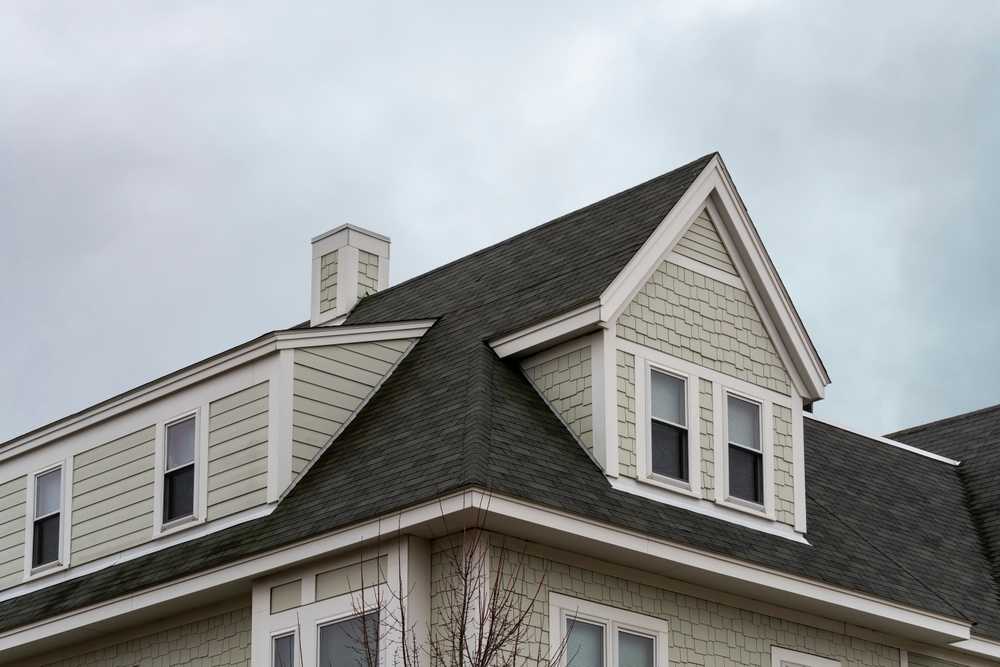
It's a question that comes up more often than you'd expect — particularly from DFW homeowners who've recently purchased a home without gutters, from new construction homeowners whose builders didn't include gutters in the base package, and from homeowners who removed failing gutters and haven't gotten around to replacing them. What actually happens to a home in North Texas without gutters? Is it really that important?
The short answer, in the DFW area specifically, is yes — it's that important and often more so than homeowners coming from other regions realize. North Texas's combination of intense spring storms, expansive clay soil, and the foundation risk that combination creates makes gutters a genuine structural protection necessity in this climate, not a nice-to-have exterior feature.
This guide walks Fort Worth, Southlake, Keller, Colleyville, Grapevine, Trophy Club, Watauga, Hurst, Euless, Bedford, Haltom City, and surrounding DFW homeowners through exactly what happens — structurally, cosmetically, and financially — when a home operates without gutters through North Texas weather.
The Physics of Uncontrolled Roof Runoff
To understand why gutters matter so much, start with the volume of water a roof generates during a North Texas storm event. A standard DFW home with 2,000 square feet of roof area produces approximately 1,200 gallons of water for every inch of rainfall. The DFW area regularly sees storms delivering two to four inches of rain in a matter of hours.
That's 2,400 to 4,800 gallons of water leaving a single roof in a few hours — all of it concentrated at the roof edge, falling to the ground in a narrow band directly adjacent to the foundation. Without gutters to collect and redirect that flow, every major rain event delivers the full weight of that water directly to the ground at the drip line, which on DFW clay soil is the worst possible location.
Foundation Damage: The Primary Risk on DFW Clay
On North Texas's expansive clay soil, concentrated water delivery to the foundation zone with every rain event is the primary mechanism driving the foundation movement that costs DFW homeowners billions of dollars in repairs annually.
Without gutters, the cycle is relentless: heavy spring rain → thousands of gallons of roof water deposited at the foundation zone → clay soil saturates and expands → summer heat → clay dries and contracts → foundation moves. Each cycle applies stress to the slab. Over multiple seasons, those stresses produce the cracks, settling, and differential movement that are visible symptoms of foundation damage.
In North Texas specifically, the clay's expansion ratio — how much it swells relative to its dry volume — is among the highest in the country. The relationship between surface water delivery and foundation movement is more direct and more consequential here than in regions with sandier or loamier soils.
What foundation repairs cost: Minor pier work for early-stage damage starts around $3,000 to $5,000. Moderate foundation repair involving multiple piers and crack injection runs $8,000 to $15,000. Severe foundation damage requiring extensive structural correction can exceed $25,000. Most homeowners insurance policies do not cover gradual foundation movement caused by drainage failures.
Fascia and Roofline Damage
Without gutters, water falling from the roof edge contacts the fascia board at the lower end of every rain event — not just during overflow, but continuously, for the full duration of every storm. The fascia is made of wood, and wood absorbs moisture. Repeated, sustained wetting over multiple storm seasons saturates the fascia, creates conditions for rot, and eventually destroys the structural integrity of the board that defines the roofline edge.
North Texas's combination of wet spring seasons and hot, humid summers creates ideal conditions for the biological decay organisms that drive fascia rot. What begins as softening progresses to structural deterioration, eventually requiring the removal of rotted fascia and the installation of replacement boards — at greater cost and complexity than simply having gutters in place to prevent the problem.
What fascia replacement costs: $500 to $3,000 for standard residential fascia replacement, depending on extent and access difficulty. Repair costs increase when soffit damage has developed alongside fascia deterioration, which is common when the problem has been allowed to progress.
Siding and Exterior Wall Damage
The drip line of a gutter-free roof directs water in a consistent curtain across the exterior wall surface during every rain event. Paint on siding absorbs some of this runoff and gradually loses adhesion — producing the peeling, bubbling, and staining that ages a home's appearance dramatically faster than it would otherwise.
For homes with lapped wood or fiber cement siding, water running behind laps during heavy rain infiltrates to the wall sheathing and ultimately to the framing — creating moisture conditions in the wall cavity that produce mold growth, reduce insulation effectiveness, and in severe cases degrade the structural framing itself.
For brick homes — common throughout DFW's established neighborhoods — water running down the brick face from the roofline deposits mineral efflorescence, stains the mortar joints, and in severe cases begins to deteriorate the mortar bonds that hold the masonry together.
What exterior repair costs: Paint and siding repair ranging from a few hundred dollars for limited staining treatment to several thousand dollars for siding section replacement or masonry repointing on significantly affected areas.
Landscaping Destruction
The concentrated curtain of water falling from the roofline without gutters hits the ground immediately below with velocity that erodes soil, displaces mulch, and damages plants. The impact force is greater than it sounds — water falling from a one-story roofline of 10 to 12 feet hits the ground with enough velocity to create significant erosion channeling in soil.
Foundation plantings — the ornamentals, groundcover, and shrubs most commonly placed adjacent to the home — are in the direct impact zone of this roof runoff. The combination of physical impact, oversaturation, and soil compaction from repeated heavy water delivery stresses and often kills plants that would thrive with normal rainfall.
In established DFW neighborhoods where mature foundation plantings are a significant component of property character and value, the landscaping damage from years without gutters represents real replacement costs — particularly for plants that take years to establish.
Erosion and Grade Changes That Worsen Over Time
Beyond the immediate impact zone, the concentrated water delivery from an unguttered roofline creates progressive erosion that changes the grade around the home over time. As soil erodes from below the drip line, low spots develop that collect water increasingly effectively — creating a positive feedback cycle where each rain event sends water to increasingly concentrated collection points adjacent to the foundation.
On DFW clay soil, grade changes that move water toward the foundation rather than away from it are among the most concerning drainage conditions — because they're often gradual enough that homeowners don't notice them until the foundation consequences have been accumulating for multiple seasons.
When to Address a Gutter-Free Home in DFW
If your DFW home currently lacks gutters — whether because they were never installed, because they failed and were removed, or because a recent storm took them out — the urgency of installation is directly proportional to the combination of tree coverage, foundation history, and how much spring storm season has left.
A home on bare, sloped ground with recent foundation work completed needs gutters before the next significant rain. A home with a clean foundation history and minimal tree coverage has somewhat more flexibility — but the installation should happen well before the next storm season in any case.
Quinn Gutters provides free on-site assessments for DFW homes without gutters — evaluating the drainage situation, assessing any visible signs of existing damage, and recommending the right system and downspout configuration to protect the property going forward.
Quinn Gutters: Adding Gutters to DFW Homes That Need Them
Quinn Gutters serves homeowners throughout Fort Worth, Southlake, Keller, Colleyville, Grapevine, Trophy Club, Watauga, Hurst, Euless, Bedford, Haltom City, and surrounding North Texas communities — including those installing gutters for the first time on an existing home, replacing removed systems, or adding gutters to new construction that didn't include them.
Every new installation starts with an honest assessment of what the home needs — sizing, downspout count and placement, and whether any drainage corrections should be included at the same time — to give the property the complete protection it should have had all along.

Your DFW Home Needs Gutters. Get Them Installed Right.
Request your free quote from Quinn Gutters today and protect your North Texas home from the damage that starts with every storm it faces without them.


