
our Blog
What Happens When You Ignore Small Gutter Problems in North Texas
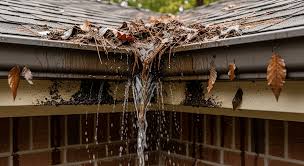
Small gutter problems have a specific relationship to time in North Texas that makes them different from small problems in other areas of the home. A slow faucet drip stays a slow faucet drip for years. A slightly sticky door usually remains slightly sticky. Small gutter problems in DFW compound — they become larger problems faster than homeowners expect, driven by the specific interaction between North Texas's clay soil, spring storm intensity, and the cumulative damage that even minor drainage failures produce through repeated storm events.
Understanding the specific progression of small gutter problems in North Texas gives DFW homeowners throughout Fort Worth, Southlake, Keller, Colleyville, Grapevine, Trophy Club, Flower Mound, Highland Village, Lewisville, Northlake, Argyle, Weatherford, Aledo, and the broader metroplex a clear picture of why prompt attention is more economical than watchful delay.
Small Problem 1: A Single Leaking Joint
What it looks like: A small drip from a sectional gutter joint during heavy rain. Maybe a water stain beginning to appear on the exterior wall below the joint. Visible from the ground only during or immediately after rain.
The $150 version: Joint resealing at the first sign of failure — clean the joint, dry it, apply quality gutter sealant, prevent further water contact with the fascia. Quick, inexpensive, effective.
What happens if ignored:
After 3-6 months: The joint continues dripping with every rain. Water contacts the fascia wood behind the joint repeatedly. The stain on the exterior wall darkens and expands as mineral deposits accumulate. The fascia wood behind the joint begins absorbing moisture — still structurally sound, but beginning the moisture saturation that precedes softening.
After 6-12 months: The stain is now noticeable from a distance. The fascia behind the joint is beginning to soften — not rotted through, but losing the firmness that indicates healthy wood. A hanger in this section is beginning to feel the effects of the compromised mounting surface.
After 1-2 years: The fascia has progressed to active rot in the immediate vicinity of the joint. Paint failure is visible on the fascia face. The gutter hanger in the affected section has partially pulled loose because the fascia no longer holds fasteners adequately. The gutter sags slightly in this section, now holding water between rain events and maintaining continuous moisture contact with the damaged fascia.
Cost to address at 2 years: Joint repair, section rehang, fascia section replacement, exterior surface treatment and repainting — $500 to $1,200.
The 12-minute, $150 repair from month one has become a $500-to-$1,200 project that requires multiple trades and disrupts the exterior finish. On DFW's typical spring storm schedule — with 10 to 15 significant rain events through the season — a joint that leaks all spring damages the fascia more in a single season than it would through two winters of milder rain patterns.
Small Problem 2: A Single Loose Hanger
What it looks like: One hanger has partially pulled loose from the fascia, causing a subtle sag in the middle of a run. Not dramatic — maybe a half-inch of deviation from straight — and only noticeable from close inspection.
The $75 version: Resecure the hanger with new screws into solid fascia. Ten minutes of work. Problem solved.
What happens if ignored:
After 2-3 months: The partially loose hanger carries the gutter's weight inadequately. During rain events, the weight of water and debris in this section adds stress to the adjacent hangers. The sag increases slightly with each heavy rain.
After spring storm season: The sagging section now holds standing water between rain events. The water weight adds continuous stress to the already-stressed hardware. The fascia behind the section is beginning to experience more moisture contact than properly draining gutters would produce.
After 1 year: The sagging section has accumulated additional hardware failures in adjacent hangers — the initial single loose hanger has become three or four loose hangers across a 15-foot run. The water that pools in the low point of this section during rain events overflows before reaching the downspout, delivering water to the wall and foundation zone below.
Cost to address at 1 year: Rehang the affected run section, replace failed hangers, assess and potentially address fascia damage from the overflow — $200 to $600.
The $75 single hanger repair has become a $200-to-$600 run section rehabilitation with potential fascia work.
Small Problem 3: A Downspout Partially Blocked
What it looks like: During rain events, the downspout produces reduced flow compared to others. The gutter above it sometimes overflows slightly during heavy rain. The partial blockage is in the downspout body and not visible from the ground.
The $100 version: Flush or mechanically clear the downspout during the next cleaning visit. Restore full flow.
What happens if ignored:
After 2-3 months: The partial blockage accumulates additional debris from subsequent rain events — leaves, debris washed from the channel, organic material — progressively restricting flow. The gutter above overflows more frequently as flow restriction worsens.
After spring storm season: What was a partial restriction has become a near-complete blockage. The gutter above this downspout overflows during almost every moderate-to-heavy rain event, delivering water to the foundation zone and wall surface below. The fascia adjacent to the overflow point is experiencing chronic moisture contact.
After 1 year: Full downspout blockage and fascia moisture damage from chronic overflow — plus the foundation moisture cycling that a year of overflow events on DFW clay soil produces.
Cost to address at 1 year: Mechanical downspout clearing, potential downspout section replacement if blockage has caused damage, fascia assessment and possible repair — $200 to $500.
The Compounding Factor Unique to North Texas
In milder climates where rainfall is more evenly distributed throughout the year and soil conditions are less reactive to moisture, small gutter problems compound more slowly. The consequences of a leaking joint or a loose hanger in Portland, Oregon accumulate over several years before reaching the severity they reach in DFW in one spring storm season.
North Texas creates an accelerated compounding environment because:
DFW's spring storm season concentrates the damage from 10 to 15 significant rain events into a 3-month window. Expansive clay soil responds to concentrated moisture delivery immediately and physically — the foundation effects of one spring's overflow begin accumulating from the first event. Summer heat amplifies UV degradation of already-stressed sealants and paint, accelerating the visible consequences of moisture damage that occurred in spring.
This accelerated compounding is the core reason that "I'll get to it soon" translates to more cost in DFW than in most other markets.
Quinn Gutters: Catching Small Problems While They're Still Small
Quinn Gutters' professional cleaning and inspection service is specifically designed to catch small problems before they compound — identifying the joint beginning to fail, the hanger that's starting to pull, the partial downspout restriction that's building toward complete blockage — and addressing them while they're still the inexpensive version of the repair.
We serve homeowners throughout the DFW metroplex with inspection-focused maintenance that creates genuine cost savings by catching problems early — not just removing debris and leaving underlying issues for the next storm to advance.

Don't Let Small DFW Gutter Problems Compound Into Expensive Ones
Request your professional gutter inspection from Quinn Gutters today and find out whether your North Texas gutter system has small problems that are still in the inexpensive-to-fix window.


