
our Blog
When to Replace Your Gutters: A Complete Guide for DFW Homeowners
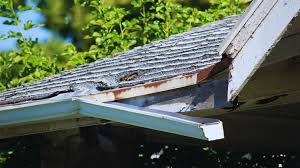
Every gutter system has a lifespan. Most homeowners don't think much about that lifespan until something goes visibly wrong — a section sagging away from the roofline, water pouring over the edge during a storm, or staining appearing on the exterior walls that wasn't there before. By then, the question isn't just whether the gutters need replacement — it's how much damage has accumulated while the decision was delayed.
For homeowners across Fort Worth, Southlake, Keller, Colleyville, Grapevine, and the broader DFW metroplex, knowing the signs that a gutter system has reached the end of its useful life — and understanding the difference between problems that warrant repair versus those that call for full replacement — is one of the most useful pieces of maintenance knowledge you can have.
This guide covers every indicator that it's time to replace your gutters in North Texas, what factors determine how long gutter systems last in DFW's climate, and how to make the repair versus replace decision with confidence.
How Long Do Gutters Last in North Texas?
Gutter lifespan depends on material, installation quality, and climate conditions. In North Texas, the combination of intense UV exposure, spring hailstorms, thermal cycling between summer highs and winter lows, and heavy debris loads from mature trees can shorten the lifespan of lower-quality systems significantly.
Aluminum seamless gutters — the most common residential system in DFW — typically last 20 to 30 years when properly installed and maintained. The key qualifiers are "properly installed" — with hidden hangers on correct spacing, proper pitch, and quality sealant at all connections — and "maintained," meaning cleaned regularly enough that debris weight and standing moisture aren't adding unnecessary stress.
Sectional aluminum gutters — pieced together from pre-cut sections — typically have a shorter effective lifespan than seamless systems, often developing widespread joint failures within 10 to 15 years in DFW's thermal cycling climate. While the material itself may still be intact, a sectional system with numerous failed joints is functionally at the end of its useful life.
Copper gutters — when properly installed — can last 50 to 100 years. They are rarely the limiting factor in a home's drainage system lifespan.
Galvalume gutters — typically last 25 to 40 years with proper maintenance in North Texas conditions.
If your gutters are approaching the upper end of their material's expected lifespan and are showing any of the following signs, replacement is almost certainly the right call.
Signs It's Time to Replace Your Gutters in DFW
1. Multiple Simultaneous Failures Across the System
The clearest indicator that a gutter system has reached the end of its useful life is widespread, simultaneous failure across multiple sections. A single leaking joint or one loose hanger is a repair issue. Three or four leaking joints, multiple sagging sections, and several hangers pulling loose at the same time is a system that has aged to the point where individual repairs are fighting the inevitable.
When the problems are distributed across the system rather than localized to one area, continued repair spending is rarely cost-effective. Each repair addresses a symptom while the underlying reality — a system that has simply aged out — remains unchanged, and new failures continue to emerge.
2. Widespread Rust and Corrosion
Rust or significant corrosion appearing in multiple locations on a metal gutter system is a sign of coating failure that will continue to spread. Patching a rust spot stops the immediate leak but doesn't stop the corrosion process — and in North Texas's combination of UV exposure, high summer temperatures, and periodic heavy rainfall, coating degradation tends to accelerate once it begins.
If you see orange staining on the exterior wall below multiple gutter sections, or visible rust across more than a small area of the gutter face, replacement with a quality aluminum or galvalume system is the right long-term decision.
3. Persistent Sagging That Won't Stay Fixed
Gutters that sag, get rehung, and sag again are telling you something important: either the fascia behind them has softened and can no longer hold fasteners, or the gutter material itself has deformed enough that it can't maintain its profile. Both situations indicate replacement is more appropriate than continued repair.
In North Texas, fascia rot from years of overflow at failed joints is a very common contributor to persistent sagging — and when the fascia needs replacing, that's the natural time to replace the gutter system simultaneously rather than rehang old gutters on new fascia.
4. Gutters Older Than 20 Years With Performance Issues
A 20-year-old seamless aluminum gutter system that has been well-maintained and is functioning perfectly doesn't necessarily need replacement — but a 20-year-old system that's been showing recurring issues is almost certainly a replacement candidate. The combination of age and demonstrated performance problems means the system's best years are behind it.
If you're uncertain about the age of your gutters, check with your home purchase records, previous owner documentation, or simply have a professional assess the material condition during an inspection.
5. Fascia Rot or Soffit Damage Requiring Replacement
Gutter systems that have been leaking at joints or overflowing for extended periods often cause progressive rot damage to the fascia boards they're attached to. When fascia replacement is already necessary to address water damage, replacing the gutter system at the same time is both more practical and more cost-effective than reinstalling old gutters on new fascia only to have those old gutters continue causing problems.
This is one of the most common combination projects Quinn Gutters sees in established DFW neighborhoods — fascia replacement and new seamless gutter installation happening simultaneously because the gutter failure caused the fascia damage.
6. Sectional Gutters Past Their Practical Repair Life
Sectional gutter systems — particularly those installed more than 15 years ago in DFW's thermal cycling climate — develop so many failed joints over time that resealing them becomes a recurring, never-ending task. If you've had the same sectional gutters resealed multiple times without lasting results, the system has reached the point where seamless gutter replacement is the correct answer — both for performance and for total cost of ownership.
7. Water Damage to Foundation, Siding, or Landscaping
If your gutters have caused visible, progressive damage to the areas they were supposed to protect — foundation moisture issues, fascia and siding discoloration, erosion around the drip line — the system is failing at its fundamental purpose. Continuing to repair a system that's actively damaging your home costs more in the long run than replacing it with a system that works.
8. Profile Damage That Affects Water Collection
Significant deformation of the gutter profile — from hail impact, falling branches, or physical damage — that changes the cross-sectional shape of the channel reduces the gutter's capacity and can cause water to miss the channel entirely during heavy rain. Sections with significant profile deformation typically warrant replacement rather than repair.
The 50 Percent Rule
A useful practical guideline for the repair versus replace decision: if the estimated cost of repairs needed to return the system to functioning condition exceeds 50 percent of the cost of full replacement, replacement is almost always the better investment. You get a new system with a full service life ahead of it instead of a patched old system that continues aging.
What Replacement Looks Like With Quinn Gutters
When the assessment indicates that gutter replacement is the right call for a DFW home, Quinn Gutters executes a complete replacement — removing the old system, assessing fascia condition, fabricating a custom seamless system on-site to your exact roofline measurements, installing with hidden hangers and proper pitch, and completing a final flush test before leaving the job site clean.
We serve homeowners throughout Fort Worth, Southlake, Colleyville, Keller, Grapevine, Trophy Club, and surrounding North Texas communities. Every replacement starts with an honest assessment that tells you clearly whether your system needs repair, targeted section replacement, or full system replacement — and every recommendation reflects what actually makes sense for your home.

Is It Time to Replace Your DFW Gutters?
Request your free gutter assessment from Quinn Gutters today and let our team give you an honest evaluation of your current system and what your home actually needs.


