
our Blog
Year-Round Gutter Protection: The Complete Homeowner's Guide for DFW
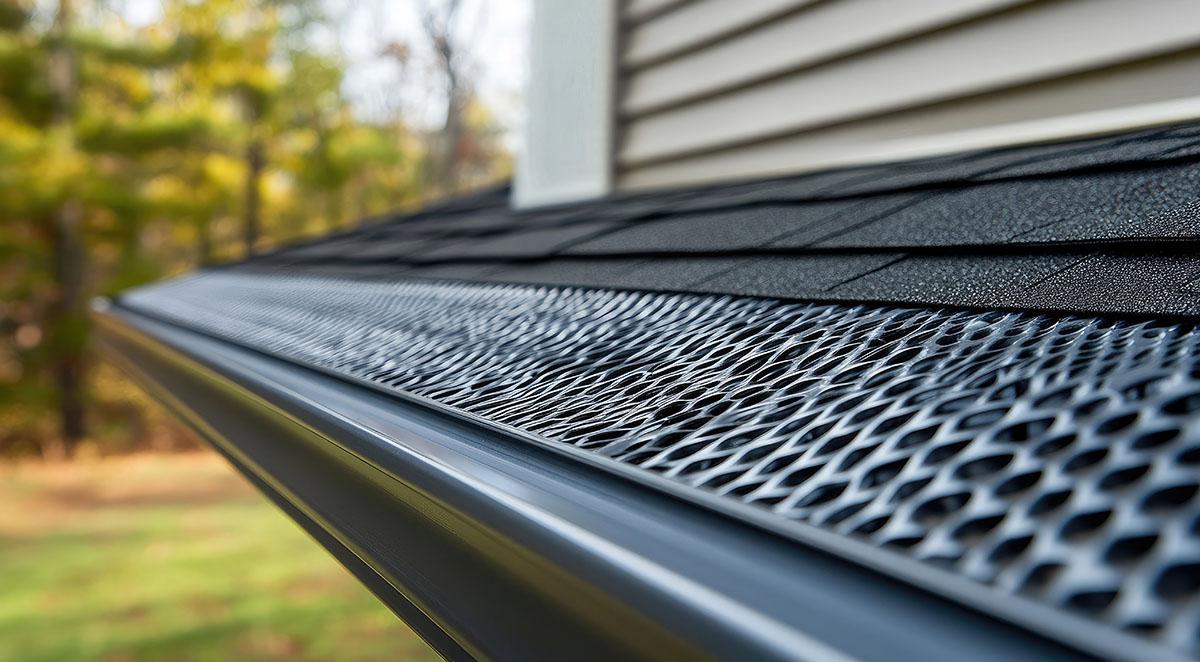
Gutter protection in North Texas isn't a once-a-year task — it's a year-round practice that adapts to what each season demands. The DFW area's combination of intense spring storms, scorching summer heat, heavy fall debris loads, and periodic winter ice events creates a uniquely demanding environment for gutter systems — one where homeowners who treat gutter care as a one-time annual event consistently end up dealing with preventable problems.
This complete guide is written for homeowners throughout Fort Worth, Southlake, Keller, Colleyville, Grapevine, Trophy Club, Watauga, Hurst, Euless, Bedford, Haltom City, and the broader DFW metroplex who want a comprehensive, practical framework for protecting their gutter system and their home's drainage infrastructure through every season and every weather event North Texas delivers.
Think of this as your permanent reference guide — the document you return to when a new season arrives, after a major storm, or when you're evaluating whether your current approach is serving your home as well as it should.
The Foundation: Quality Installation Comes First
Everything in this guide assumes a foundation of quality installation — because maintenance and monitoring can only preserve and extend what a quality installation created. If your gutters were installed with shortcuts — spike fasteners instead of hidden hangers, generic pre-cut sections instead of on-site fabrication, inadequate pitch, or insufficient downspout coverage — the most diligent maintenance routine will fight against those underlying deficiencies year after year.
If you're unsure whether your current system was installed to professional quality standards, the signs show up over time: recurring sagging, joint failures that keep returning after resealing, overflow during storms that shouldn't be overwhelming the system's capacity, or hardware consistently found on the ground after storms. These aren't maintenance failures — they're installation quality failures that need to be addressed at the system level, not the maintenance level.
Quinn Gutters assesses existing systems honestly and helps homeowners understand whether they're maintaining a quality foundation or working against one. If the system needs replacement to give maintenance a fair chance to protect the home, we'll tell you that directly.
January — February: Winter Monitoring and Planning
What to monitor:January and February in DFW bring the most variable winter weather — with temperatures that cycle between 20-degree winter lows and 70-degree mild periods. This thermal cycling is exactly what stresses sealant at gutter connections, and the tail end of winter is when sealant failures that developed through the fall and winter cold become visible.
After any ice event — which DFW experiences periodically — inspect the gutter line from the ground for any sections that appear to have shifted, any visible gaps between gutter backs and the fascia, and any hardware on the ground below the roofline. Ice loading can complete the failure of hardware that was already marginal.
What to plan:Late January or early February is the right time to schedule your pre-storm-season cleaning and inspection for late February or early March. DFW's pollen season begins in February, and getting the cleaning and inspection done before pollen accumulation peaks gives you the cleanest starting point for spring storm season.
March — May: Spring Storm Season — The Highest Stakes Period
Pre-season preparation (early March):Complete the pre-storm-season cleaning and inspection before the first major spring storm events. Flush every downspout. Inspect all hardware, joints, and fascia contact. Verify downspout discharge locations. Address any findings before the storm season peaks.
During storm season:After each significant storm event — hail, high winds, or 2-plus inches of rain — perform a ground-level post-storm inspection. Look for new staining on exterior walls, sections that appear shifted, hardware on the ground, and post-storm debris loads that have filled recently cleaned gutters.
For hailstorms specifically: photograph gutter damage before beginning any cleanup. Document denting, hardware displacement, and any damage to the exterior wall or fascia. This documentation supports insurance claims if gutter replacement is warranted.
Late May or early June:After the peak of spring storm season, perform a comprehensive cleaning and inspection to assess what the season produced — both debris accumulation and any damage that occurred during storms.
June — August: Summer Maintenance
What changes in summer:Summer in DFW is primarily a period of debris accumulation from continuous live oak and pecan shedding, UV degradation of sealant materials, and preparation for the late-summer thunderstorm pattern that picks up in August and September.
For properties with heavy live oak or pecan coverage: a mid-summer cleaning in July prevents the accumulation from the April-through-July period from compounding into the fall load.
After any significant summer storm: inspect for new debris loading, downspout blockages from storm-driven debris, and any new hardware issues.
UV and heat inspection (August):August is the right time for a close look at sealant condition at corners and downspout outlets — the areas most exposed to the extended thermal stress of a North Texas summer. Any sealant that has cracked, dried, or pulled away from the metal surface should be re-applied before fall rain events begin.
September — November: Fall Debris Season
September through October:Monitor debris accumulation, particularly on properties with heavy pecan or live oak coverage. The debris load in these months is substantial and arrives ahead of the peak leaf-fall period.
Late October or early November:For properties with heavy tree coverage, this is the optimal timing for a pre-peak fall cleaning — clearing the summer and early fall accumulation before the heaviest leaf loads arrive in November.
Late November:The most important fall cleaning timing — after the majority of leaf drop has occurred and before winter rain events begin. This cleaning should be the most thorough of the year: full channel clearing, complete downspout flushing, comprehensive system inspection, and discharge location verification.
This inspection is also the right time to plan any repairs identified during the year for completion before winter — because cold weather makes access more difficult and makes finding responsive service harder.
December: Winter Preparation
What to do in December:Confirm all repairs from the late fall inspection have been addressed. Verify that all downspouts are flowing freely and discharging correctly — a downspout that's partially blocked heading into winter rain events becomes a more significant problem when combined with cold temperatures.
Check that gutters have been cleared of all debris — gutters holding debris through freezing temperatures retain ice longer and create more significant loading than clean gutters.
For homeowners who experienced ice dam formation in previous winters: confirm that gutters are pitched correctly and draining completely — the primary contributing factor to ice formation in the channel is standing water that freezes during temperature drops.
The Year-Round Framework: Summary
January–February: Monitor for winter damage. Plan pre-storm cleaning. March–May: Pre-season cleaning and inspection before storm season. Post-storm inspections after significant weather. Post-season cleaning in late May. June–August: Mid-summer cleaning for heavy-canopy properties. August sealant inspection. September–November: Fall monitoring. Pre-peak cleaning for heavy canopy. Late-November comprehensive cleaning and inspection. December: Confirm repairs complete. Pre-winter downspout verification.
This framework — six to eight service touchpoints per year for most DFW properties — provides the consistent protection that maximizes system lifespan and prevents the accumulation of unaddressed problems that drive premature replacement.
When Professional Service Is the Right Call
Every element of this guide can be executed by an engaged homeowner on a single-story home with appropriate tools and comfort on a stable ladder. For two-story homes, homeowners who aren't comfortable at height, properties where downspout blockages are recurring issues requiring mechanical clearing, or homeowners who want a professional inspection alongside every cleaning visit — Quinn Gutters provides professional service across the DFW area with the thoroughness and documentation that give homeowners confidence in their system's condition.
Quinn Gutters also installs gutter guards for homeowners whose debris loads make the year-round maintenance schedule in this guide feel unsustainable — reducing the required service touchpoints from six to eight per year to two or three for most properties.
Quinn Gutters: Year-Round Gutter Service Across DFW
Quinn Gutters serves homeowners throughout Fort Worth, Southlake, Keller, Colleyville, Grapevine, Trophy Club, Watauga, Hurst, Euless, Bedford, Haltom City, and surrounding North Texas communities with every service your gutter system needs through every season — from installation and replacement to cleaning, inspection, repair, gutter guards, and drainage solutions.

Build a Year-Round Gutter Protection Plan With Quinn Gutters
Request your free consultation from Quinn Gutters today and let our team help you develop the right year-round maintenance approach for your specific North Texas property.


